




Introduction
Ashkal Alwan invites applications for the 13th edition of the Home Workspace Program (HWP), scheduled from January 15 to July 25, 2024, in Beirut.
Program Overview
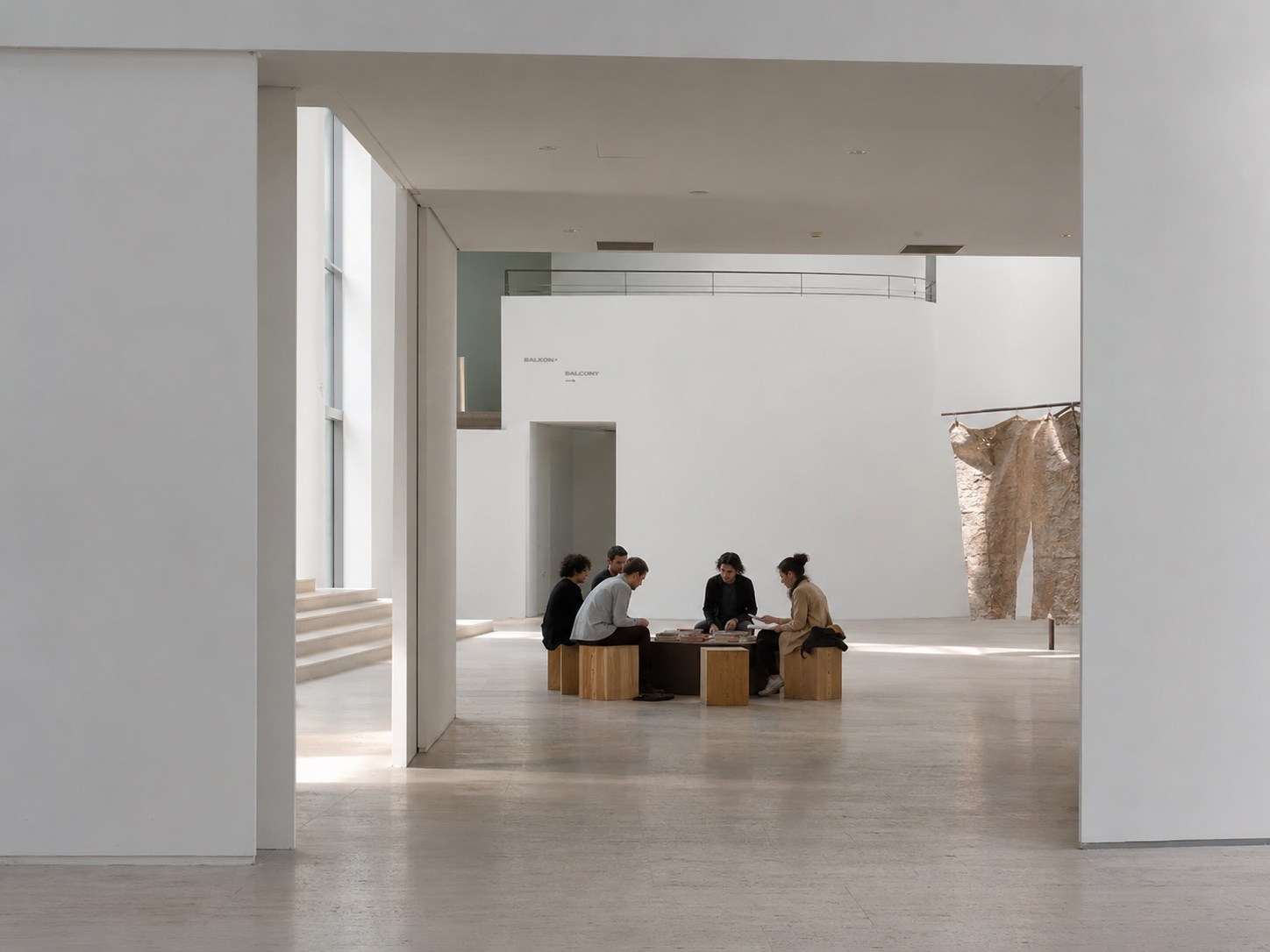
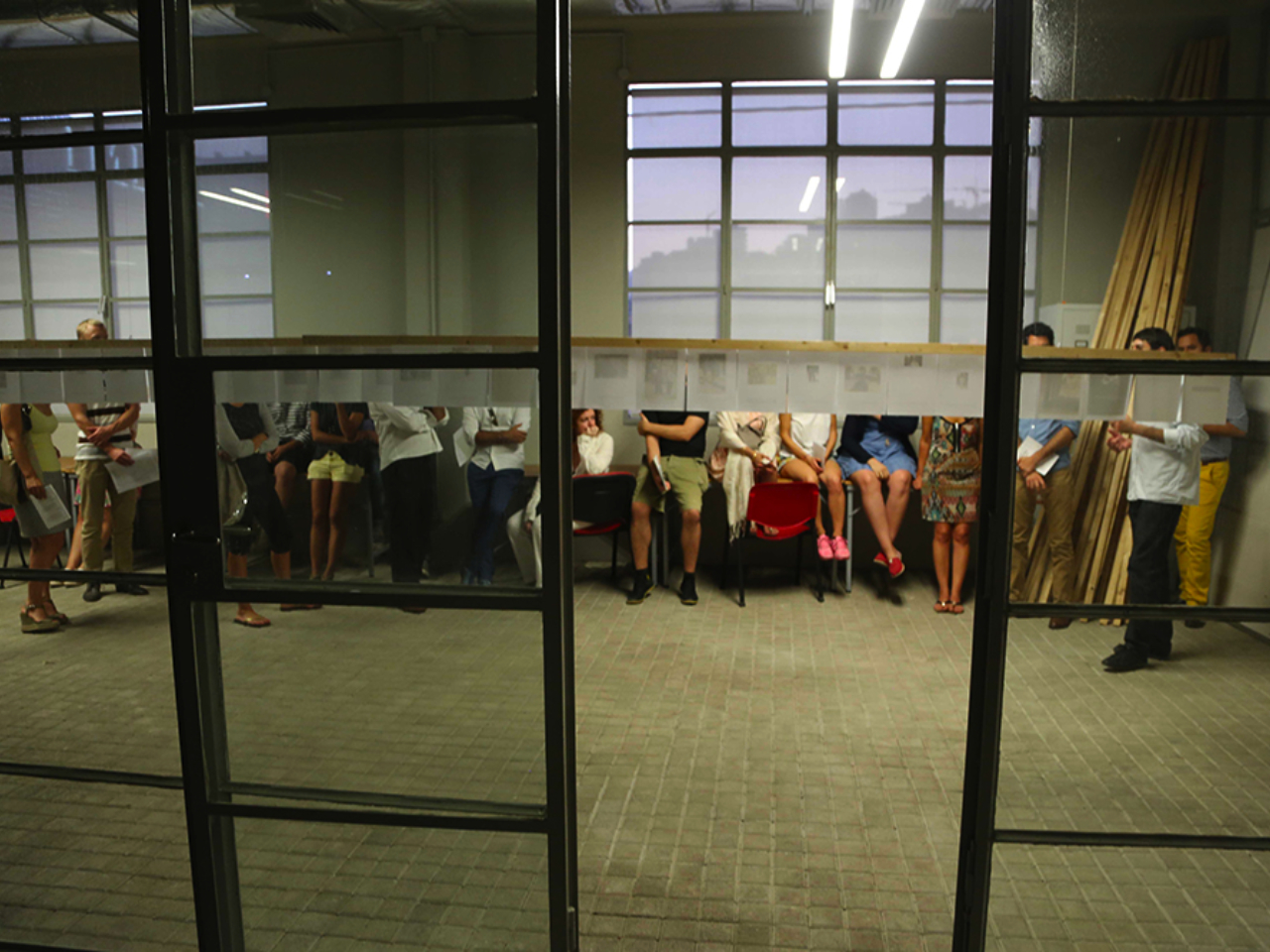
Established in 2011, HWP is a six-month study program admitting up to eight fellows annually. It welcomes artists seeking to enhance their formal, theoretical, and critical skills through interaction with peers, scholars, writers, thinkers, and more. Unlike previous editions, the curriculum for this program will be flexible, tailored to the needs of selected fellows and their practices. Selected lectures, seminars, and workshops will be open and free to non-enrolled participants.
Eligibility and Application
An admissions committee will select fellows based on their prior work and future projects. Applications are accepted until October 11, and successful applicants will be notified by November 1, 2023.
Artists and cultural practitioners from Lebanon and abroad, irrespective of age and nationality, are eligible. Applicants who participated in online courses during the 2021 and 2022 Home Workspace Program editions are also encouraged to apply.
Fellows must fully commit to HWP’s schedule and minimize external commitments that may conflict with the program.
Language and Support
The program will primarily be conducted in English.
Up to eight local and international fellows will be chosen for HWP 2024, each receiving a monthly stipend and shared studio space.
Application Process
To apply, please send a one-page CV, a portfolio of past works (<10MB), and a 300-500-word letter of motivation to hwp@ashkalalwan.org. For inquiries regarding the application process or the program itself, contact the same email address.
Background
Launched by Ashkal Alwan in Beirut in 2011, HWP is an annual arts study program offering participants a critical setting to develop their formal, technical, and theoretical skills. Lead Professors (LPs) organize workshops and seminars, inviting Visiting Professors (VPs) to complement the curriculum. HWP was conceived to explore interdisciplinary, critical models of art education, particularly in contexts where education is largely privatized, while addressing the geopolitical nuances in art and education.