







Curatorial Cover Letters: A Guide
In the hyper-competitive world of curating, a cover letter is more than a formality. It’s your first curatorial statement. While a CV lists achievements, the cover letter is where you articulate why your curatorial vision resonates with a particular institution. Hiring committees often receive dozens—or even hundreds—of applications. Aside from experience and recognition, a strong cover letter that clearly links your background to the institution’s mission—and conveys your vision for contributing to it—can help you stand out.
Begin with Purpose
The opening lines set the tone. Instead of a flat “I am applying for the position of…,” begin with a statement that situates your interest in relation to the institution’s mission or a recent exhibition. If a museum has recently staged a show on ecological futures, your opening might connect your own experience with environmental art practices. As The Professor Is In reminds applicants, the worst openings are generic and lifeless; specificity is the difference between dismissal and intrigue.
Highlight Relevant Experience
A cover letter isn’t the place to duplicate your CV. Instead, highlight one or two curatorial experiences that show you can think critically, manage logistics, and engage audiences. For instance, rather than writing “I organized several group shows,” you might say: “In curating Soft Infrastructures, I worked with artists to rethink institutional space as a site of care, developing public programming that doubled attendance.” This principle is echoed by Saint Leo University, which warns against vague descriptions and encourages concrete examples. Tailoring also means editing. Focus only on the experiences that speak directly to the role.
Speak the Institution’s Language
Every institution has its vocabulary—sometimes explicit in mission statements, sometimes embedded in catalogues and press releases. If a gallery emphasizes accessibility, highlight your work in education or community engagement. If a biennial positions itself around experimentation, reference your ability to work across media or formats. This is less about pandering and more about demonstrating competence. The University of Exeter points out that many applicants, particularly international ones, forget to frame their skills in terms that make sense within the institution’s cultural context. Meanwhile, Harvard Business Review emphasizes that authenticity matters as much as alignment -sounding like yourself is just as important as speaking the institution’s language.
Closing with Confidence, Not Cliché
Many cover letters collapse at the end with tired lines: “I look forward to hearing from you.” Instead, close with a statement that looks outward and forward. You might emphasize what excites you most about contributing to their curatorial vision, or briefly gesture toward the kinds of research you would bring into dialogue with their programming. The University of Oxford’s Careers Service advises that endings should be professional but memorable, leaving the committee with a clear impression of your potential contribution. Even small refinements here make a letter stand out.
Summary
For curators, a cover letter is more than a formality—it shows how your work connects with the institution. A strong letter starts with a clear purpose, highlights relevant experience, uses the institution’s language, and ends with confidence. Instead of just asking for a job, it should convey a curatorial vision that feels personal and aligned with the institution’s mission.
Additional Resources
For readers who want to explore further perspectives, here are more resources worth consulting:
-
Cover Letter Dos and Don’ts – Indeed – A straightforward breakdown of effective strategies and common errors.
-
What Not to Put in a Cover Letter – Indeed – Practical advice on avoiding unnecessary or harmful details.
-
Dos and Don’ts for the Academic Job Market – Inside Higher Ed – Insight into higher education job applications, with lessons transferable to curating roles.
-
Prospects: Cover Letters – UK Career Platform – Comprehensive guidance on writing strong, tailored applications.
-
YouTube: Cover Letter Writing Advice – Video tips for structuring and refining your letter, useful for visual learners.
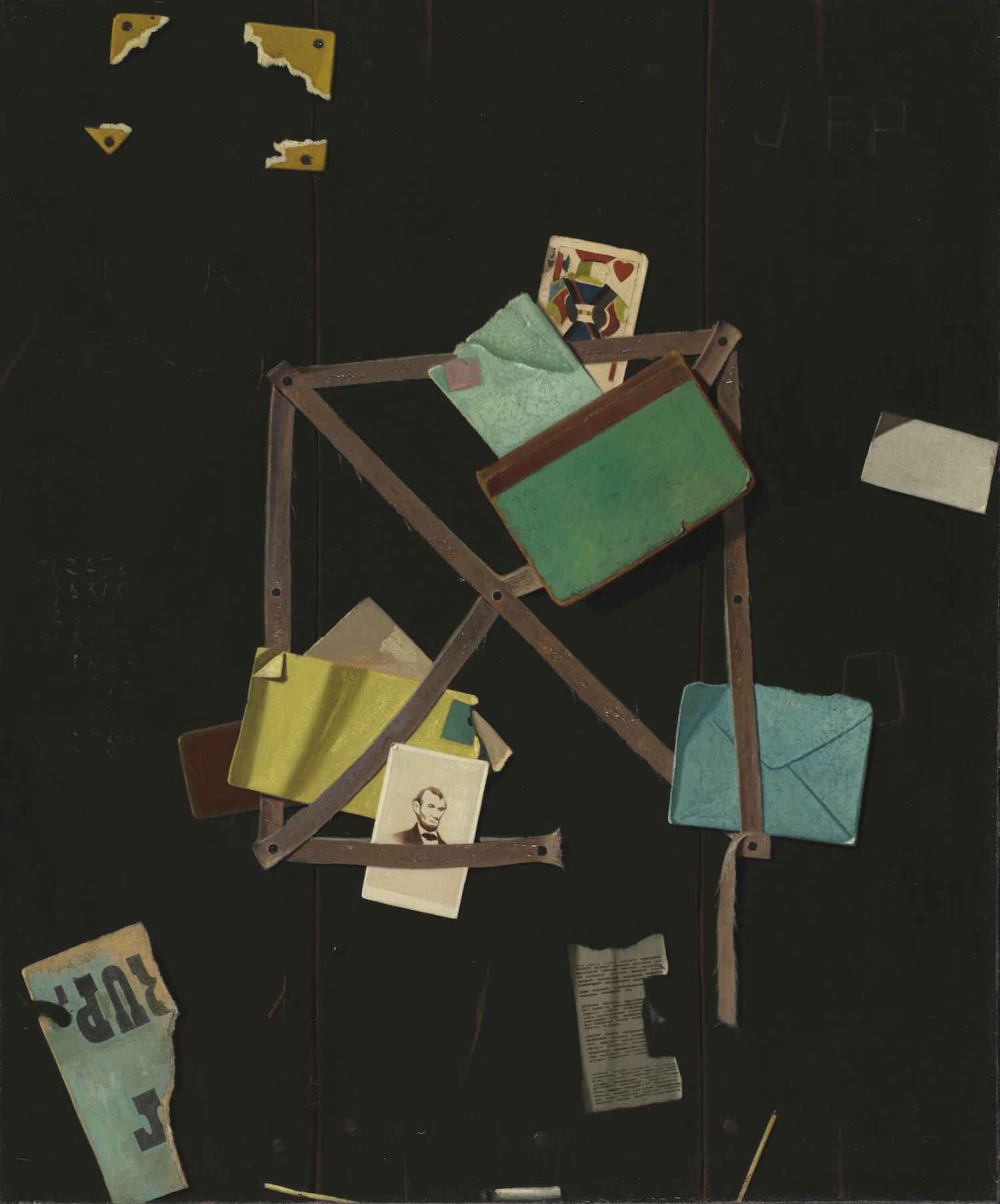
Image: Card Rack with a Jack of Hearts c.1895 John F. Peto (American, 1854–1907).
Download the Resource: Curatorial Cover Letter Cheat Sheet
Are you a CFC Member? Download the full Curatorial Cover Letter Cheat Sheet below.

Member Login Please sign in below if you are a returning Call for Curators member.
If you have not yet created your account, please register now and join free for a week. Cancel anytime.This content is restricted to members only.