







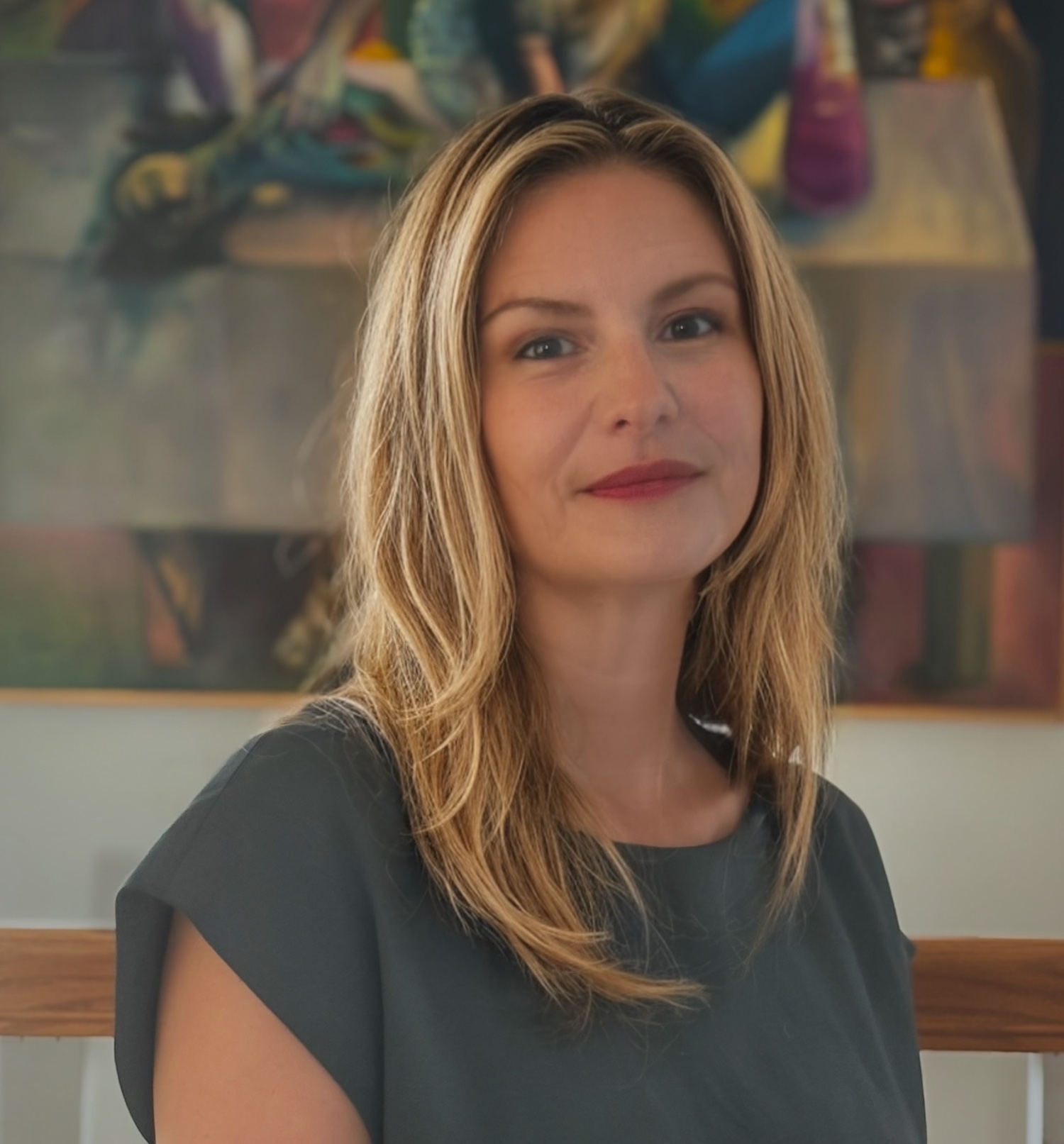
Meet Rosa Berland: Curating the Intersections of Art, Literature, and Spiritual Inquiry
CFC Members Spotlight is a monthly interview series showcasing the work of our members on our blog and social media. Through this series, we highlight the diverse curatorial practices in our community and encourage new connections and exchanges.
Meet CFC Member Rosa Berland
Rosa Berland is a curator and historian specializing in modern and contemporary art. Berland serves as the Honorary Director of the Edward E. Boccia Artist Trust. She is also Director of Project Development, Art, for the Documentary Film Fund. Her research interests include postwar art, diasporic and émigré artists, and gender and identity in visual culture. Berland is a published author whose work explores the intersections of art and literature, as well as the influence of psychoanalytic theory and spirituality on artistic practice. She has served as an Assistant Curator, MoMA as well as work for The Solomon R. Guggenheim Museum and The Frick Collection, New York. Berland holds a Master’s degree in Fine Art History from the University of Toronto and teaches art history at Molloy University in Rockville Centre, New York.
In our latest Members Spotlight, curator Rosa Berland traces her journey from studying art history and psychoanalytic theory to curating exhibitions that illuminate the spiritual, emotional, and diasporic dimensions of modern and contemporary art.
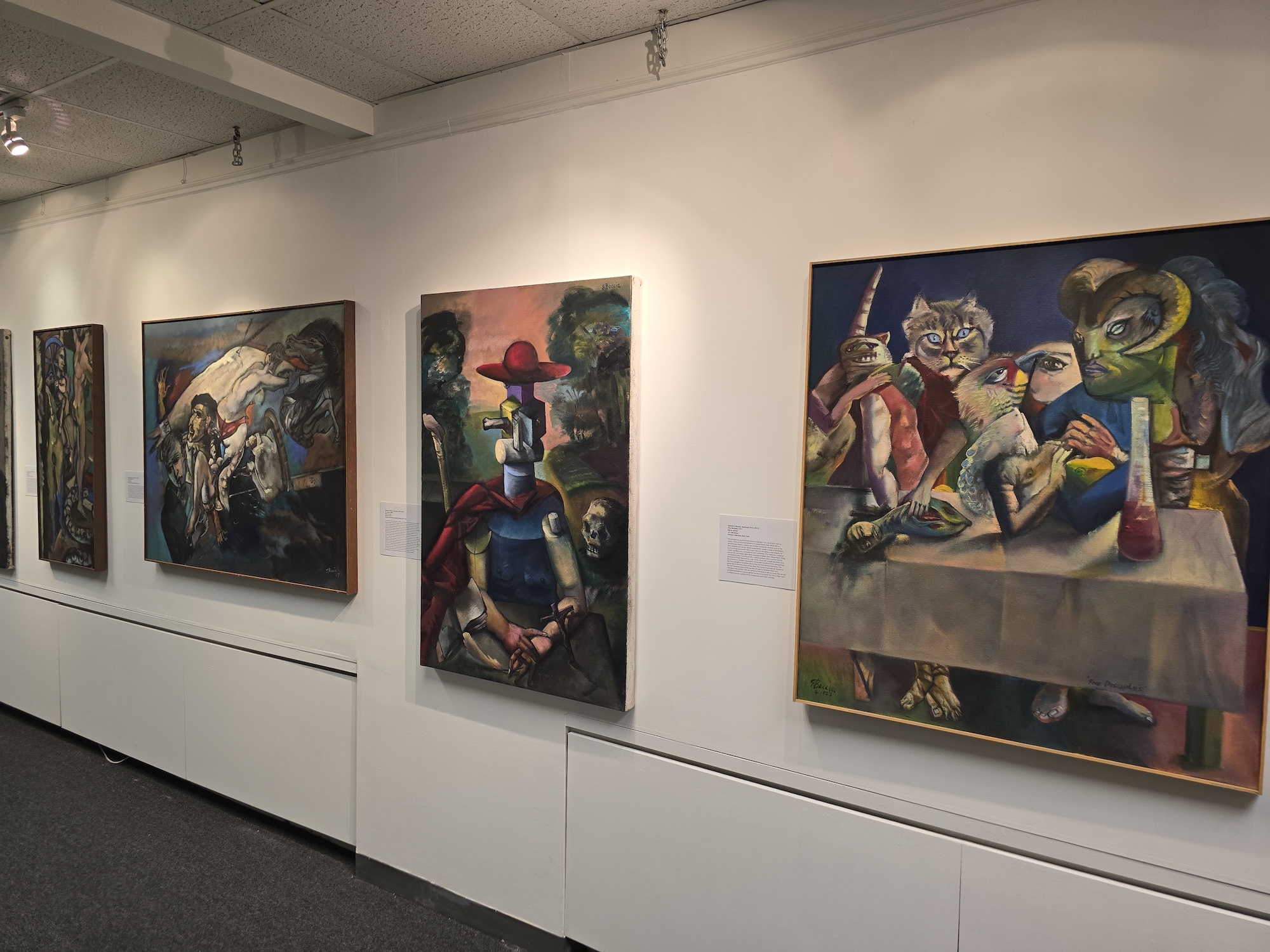
Image: Edward E. Boccia: Postwar American Expressionist exhibition at the Calandra Institute, installation view.
CFC: What inspired you to pursue a career as a curator? Was there a particular moment or experience that sparked your interest?
RB: As a child I loved abstract art, and my mother was an accomplished painter. There were always art books around and we visited museums a lot. I loved to draw and write poetry and read. In university I took an art history course, and I was hooked. In my professional life, it’s the relationship with artists that inspires me because I believe that creativity, whether painting, photography, sculpture, music or poetry expresses the human experience and gives meaning. I love learning about artistic processes, techniques and experiences in the studio and in life. I am particularly interested in the way in which diasporic culture informs artistic practice in the diverse world of contemporary art. It’s my experience that through the building of relationships based on curiosity, respect and compassion, contemporary art curators and historians can create meaningful dialogue and engaging creative writing and curation.
CFC: What thread or idea ties your work together?
RB: I am interested in creating exhibitions and writing that engages in a symbiotic practice e.g. includes artist’s processes, vision and intention and reflects a diverse view of contemporary art and practice. Beyond symbolism and technical attributes, I am dedicated to helping telling the story of the power of art and the experience of being creative in today’s world. In my work with living artists, I always want to be that supportive voice, but I also feel that I learn every day from the artists I work with.
CFC: Name a project or exhibition that holds special significance for you. What made it stand out?
RB: I curated an exhibition at the Galleria, The John D. Calandra Italian American Institute, CUNY last fall featuring the work of the late modern-contemporary painter Edward Boccia. The show was called “Edward E Boccia: Postwar American Expressionist.” Boccia was an artist, poet and teacher dedicated to making art that reflected not only his life but also expressed concerns about the problems of the modern world, universal experience, and also his relationship to diasporic culture. Creative passion was the center of his artistic life, and something he poured into his students. It was exciting to be able to present a small selection of some of his best works to a New York audience, particularly as NYC was where he began his artistic journey. It was particularly rewarding to talk to local painters and students about the impact of this show on their work. While I think it’s important to emphasize the scope and innovation of the artist’s work, I felt that these conversations truly expanded and reflected his life in a profound way and reinforced my dedication to working as a curator and a mentor. I will also be curating a show on modern and contemporary artists next year in the same space.
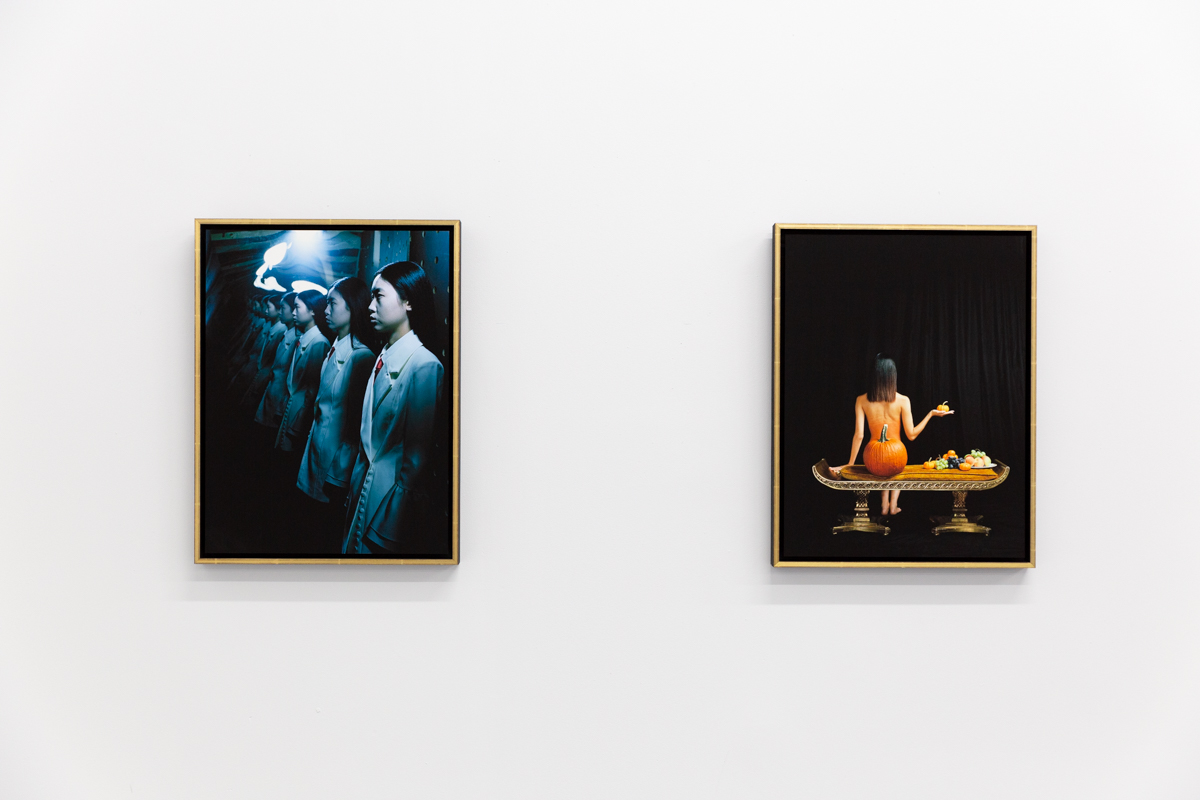
Image: Kuzma Vostrikov and Ajuan Song, Absolutely Augmented Reality, Installation View.
CFC: What’s your favourite part about being a curator? And, if you don’t mind sharing, what’s the most challenging?
RB: I love seeing the audience experience the artwork and talking to people about the choices I made, and each work as well as artists’ stories.
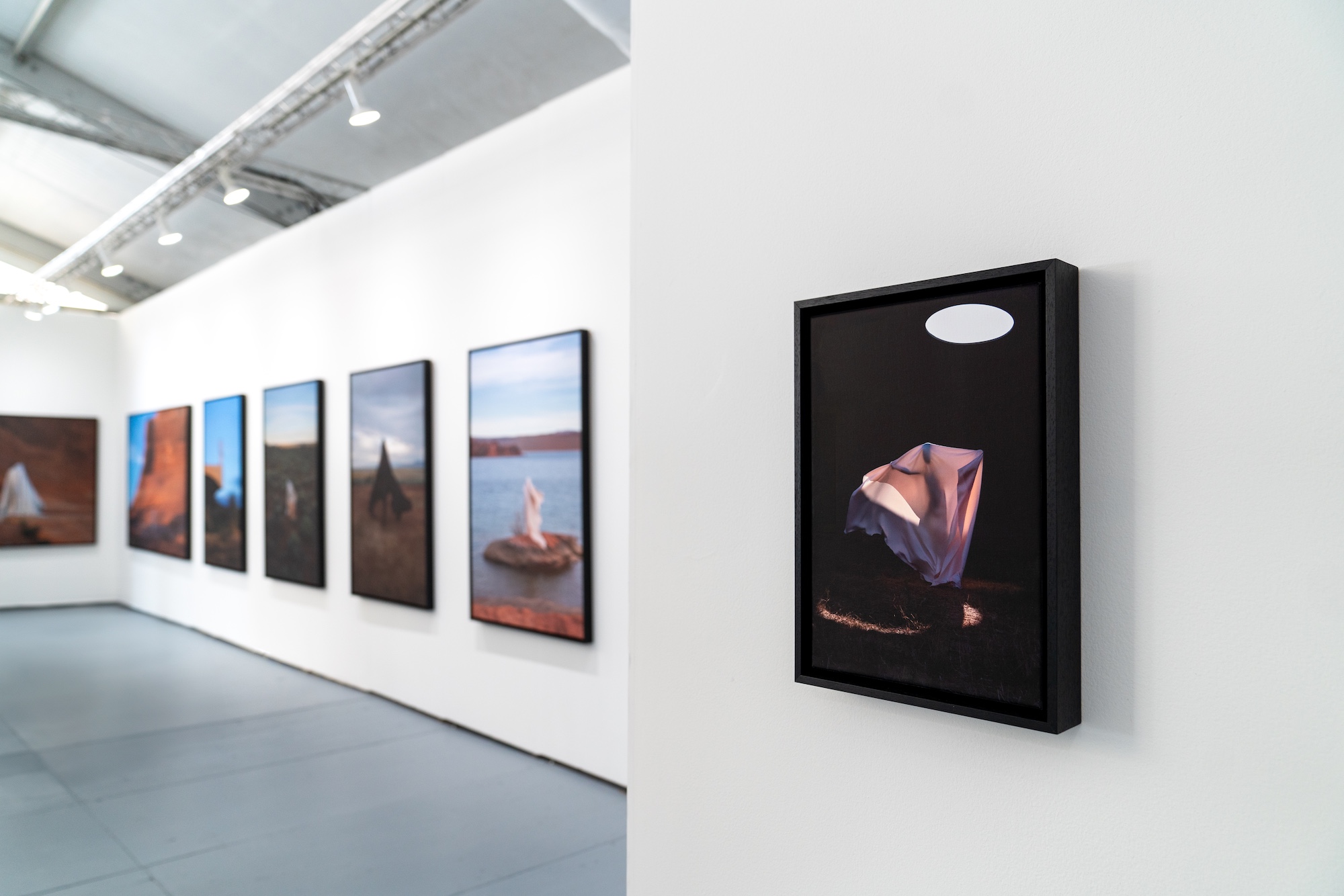 Image: Juan Sebastian, Veils, Shadows, and Spaces of the Self, Installation View.
CFC: What advice would you give to aspiring curators just starting their careers?
RB: If you have an idea you are passionate about do not give up on it, follow through.
CFC: Any hot takes on the current state of the curatorial field or the art world in general? What do we need more or less of?
RB: I would say that talent or originality have little to do with actual success in the art world, it’s often a matter of timing, someone else’s taste and who you might know. That said, I tell every artist who I think highly of — to keep making their work, it matters. Art is all the more important today when our culture is increasingly taken over by AI. As well, art matters because it allows us to hear the voices of the diverse experience of makers today, particularly in a moment when there seems to be an increasingly hostile and reductive view of what America is today. Immigrants and diasporic communities have always been an important part of our rich visual culture and I look to my own practice and that of galleries, artist collectives, publishers and museums to showcase this vast and diverse beauty.
CFC: What does ‘success’ look like to you in curatorial work, and has that definition changed over time?
RB: For me success now also includes mentoring students and younger arts professionals. I have been lucky enough to work in the museum, gallery and private spheres and have learned so much. I owe much of my own achievement to the support of other women in the arts and so I want to pass that on. I also think that writing is an important part of curatorial practice.
CFC: What’s something unexpected or surprising you’ve learned through your curatorial work? This could be about art, people, institutions—or even yourself.
RB: I learned a lot about the organization of exhibitions and collection care at my positions at The Frick, The Guggenheim and MoMA, it’s a complex world that’s hard to imagine and beyond just ideas or great concepts.
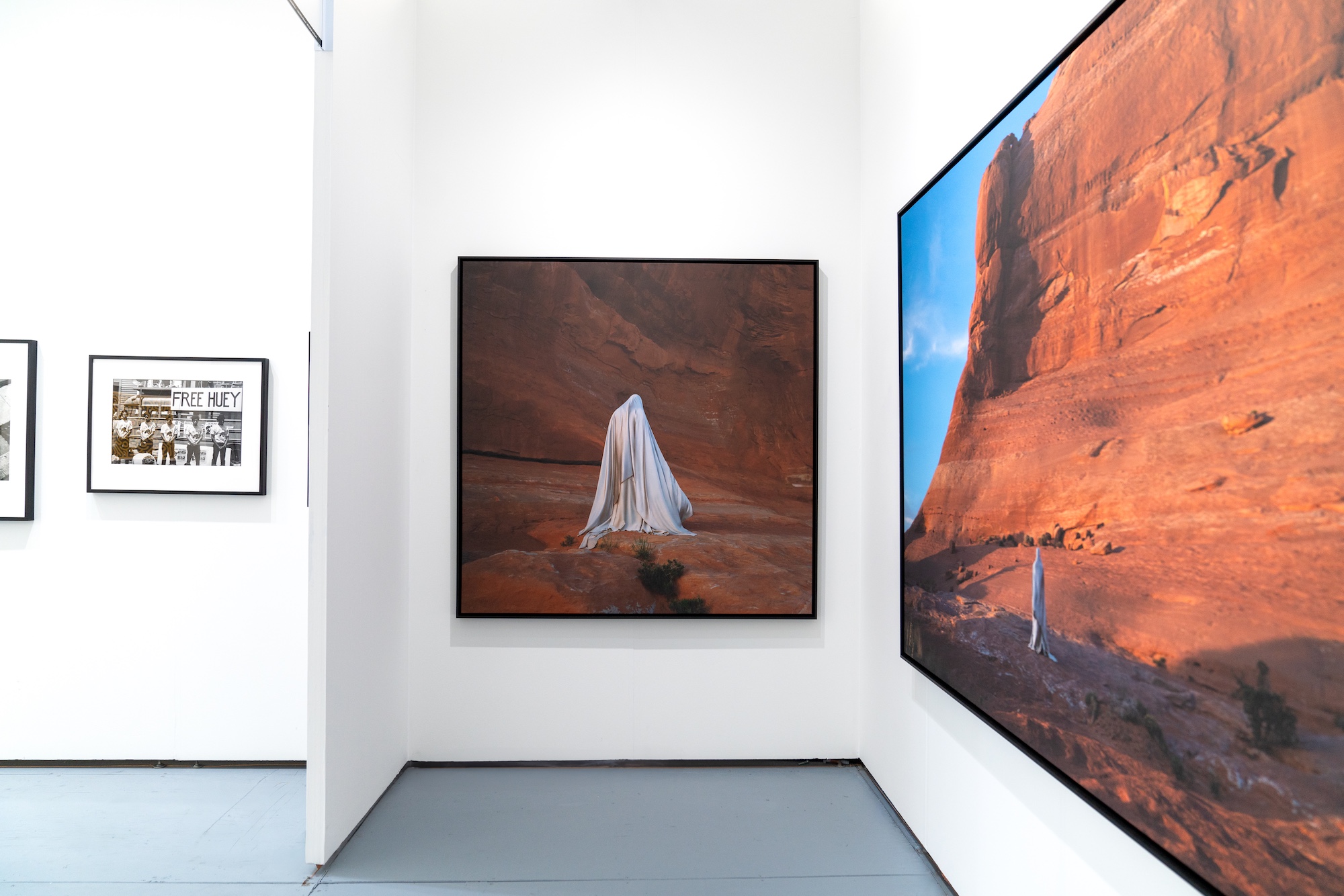 Image: Juan Sebastian, Veils, Shadows, and Spaces of the Self, Installation View.
CFC: How do you maintain your curatorial integrity within institutional frameworks or funding pressures?
RB: If an idea is great but there are no funding opportunities I would say try to explore your idea in another venue or way, an interview, an article but do not give up on your project.
CFC: What would your ideal curatorial workspace or support system look like?
RB: A quiet place to study ideas, look at art, work directly with artists and a beautiful space to showcase contemporary art.
Explore more of Rosa Berland’s work on her website.
Are you interested in learning more about our CFC membership? Dive into how to become a CFC member here.