







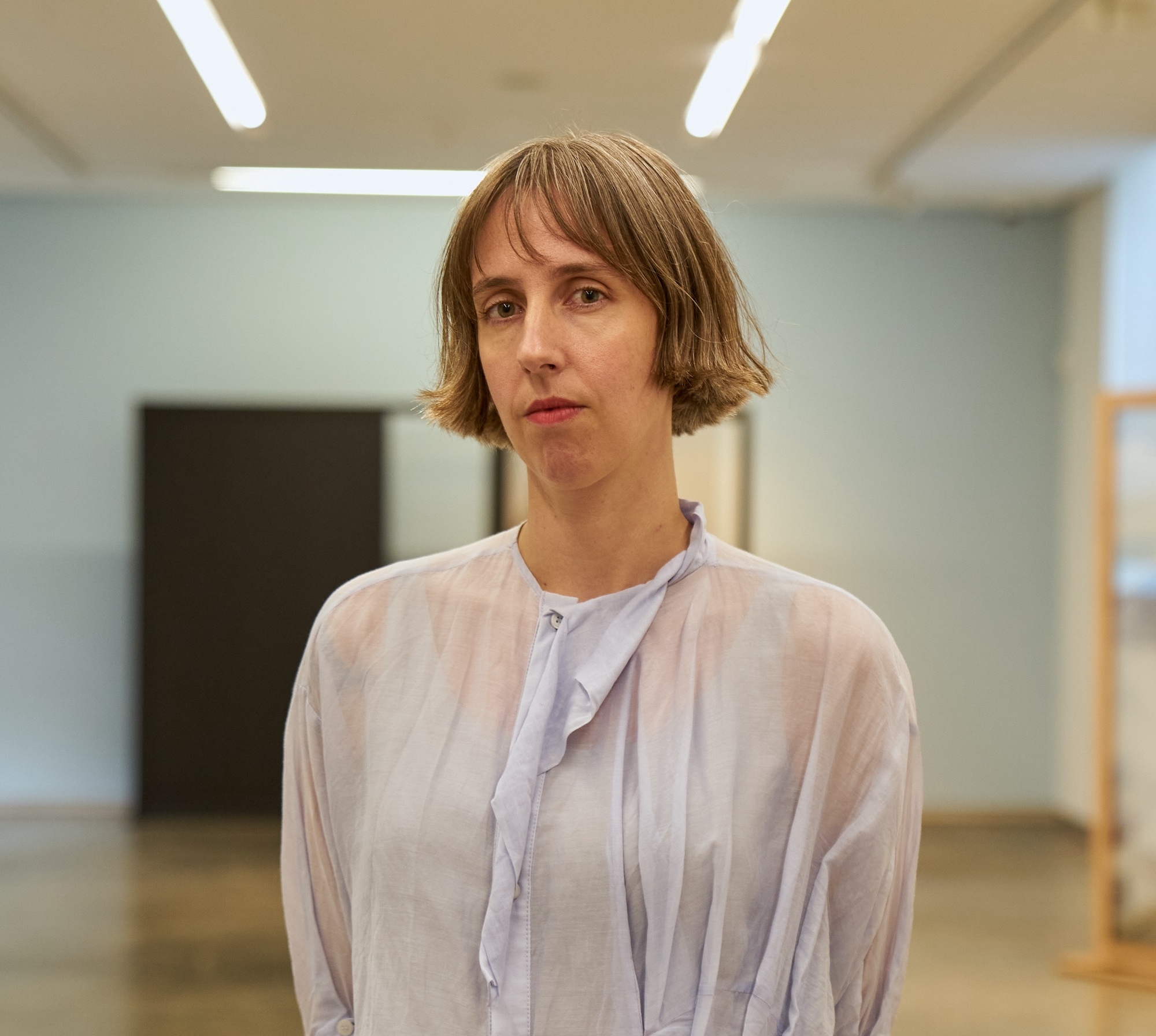
Meet Sofía Dourron: On Navigating Scales From Local to Global
#CFC Members ProgramCFC Members Spotlight is a monthly interview series showcasing the work of our members on our blog and social media. Through this series, we highlight the diverse curatorial practices in our community and encourage new connections and exchanges.
Meet CFC Member Sofía Dourron
Sofía Dourron is an independent curator living in Buenos Aires. Her work focuses on the relationships between decolonial, posthumanist and ecological philosophies. Recent projects include the Argentina Pavilion at the 60th Venice Biennale, and at the 15th Gwangju Biennale. She served as Associate Curator for the 12th Seoul Mediacity Biennale.
In our latest Members Spotlight, curator Sofía Dourron traced her journey from running an independent art space in Buenos Aires with friends to shaping large-scale international projects such as the Venice Biennale and Seoul Mediacity Biennale, always guided by a commitment to decolonial thought, ecological perspectives, and collaborative ways of working.
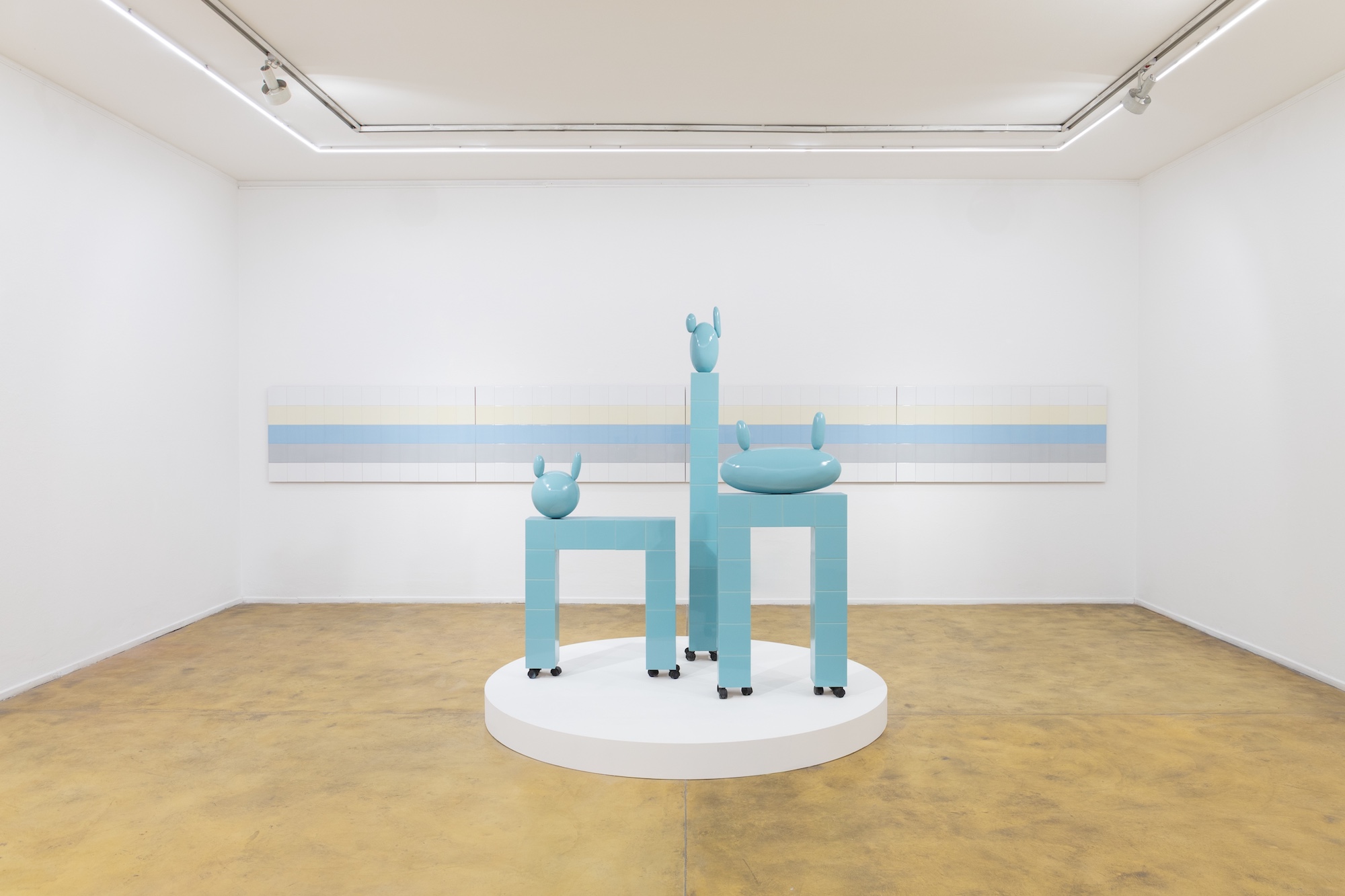 Image credit: Cristina Schiavi, Mundo Fofo, Photo by José Ocampo.
CFC: What inspired you to pursue a career as a curator? Was there a particular moment or experience that sparked your interest?
SD: I have a background in Art History, and I came into a career as a curator a bit by chance: running an independent space with a group of friends, and experimenting with the ways in which exhibitions could elaborate and reexamine institutional, art historical, and artistic discourse. So instead of going into academia to research the topics I was interested in, I ended up becoming a curator to do so.
CFC: What thread or idea ties your work together?
SD: For many years my focus was on museum studies and critical institutions, researching the genealogies of institutionality in Latin America. That led me to investigate the Latin American decolonial perspectives, and eventually to the current focus of my work: the relationships between Latin-American decolonial perspectives and post-humanist philosophy, the notion of the decolonization of the unconscious, ecological thinking, and artistic practices and imaginations.
CFC: Name a project or exhibition that holds special significance for you. What made it stand out?
SD: Many projects hold special significance for me, whether because they marked a breakthrough in specific aspects of my practice—such as the recent exhibition “El aire vacilaba a su alrededor,” where I felt the spatial and conceptual threads of the show intertwine into a single rhythmic body. The Argentina Pavilion at the Venice Biennale, for instance, involved navigating spatial, logistical, and especially political and diplomatic hurdles, but at the same time meant an incredible honor and responsibility to be selected to represent our country. Another example is the 12th Seoul Mediacity Biennale in 2023, where I served as Associate Curator. It was a major learning experience: working across cultures, balancing logistics without losing curatorial focus, and—most importantly—establishing a healthy, productive, and respectful work environment, which is not always the case in large-scale projects.
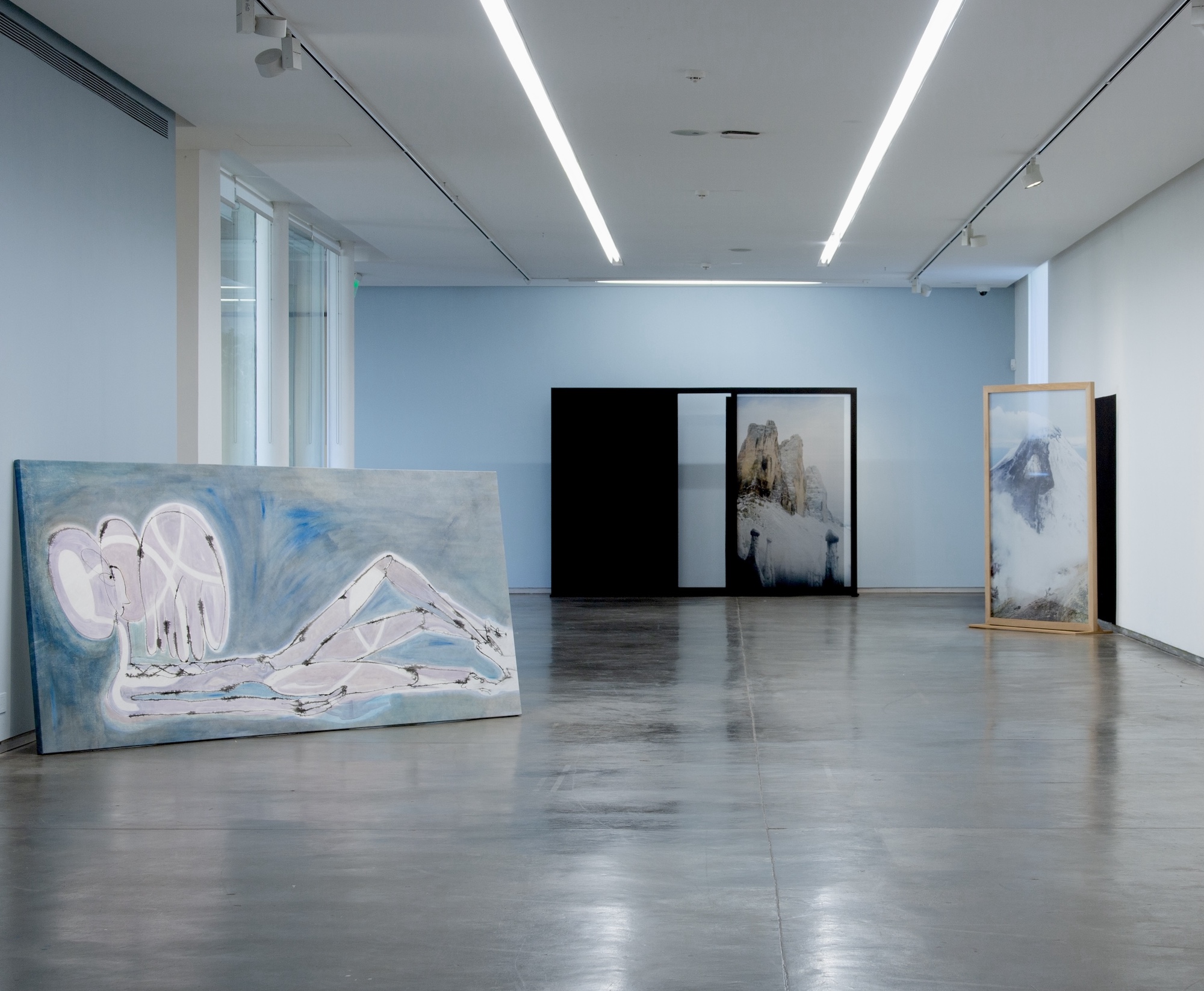
Image credit: El aire vacilaba a su alrededor. Photo by Natalia Marcantoni.
CFC: What’s something unexpected or surprising you’ve learned through your curatorial work?
SD: It’s a tough question, I think because our work changes so much form project to project, I live in constant awe of what artists can do. But something else that has been on my mind lately is resilience, which is not a surprise, but maybe a reminder that no matter what, art will continue to exist.
CFC: What’s your favourite part about being a curator? And, if you don’t mind sharing, what’s the most challenging?
SD: I love the possibility of constantly learning new things with others—whether artists or professionals from other fields. But probably my favorite part of being a curator—and also one of the most daunting—is building an exhibition that brings to life the many different aspects of the artists’ work, the curatorial ideas, the context, and the historical elements that may come into play. In Argentina, the most challenging aspect is undoubtedly the lack of funding for institutions. Precarious working conditions for cultural workers—low wages, no benefits, and unstable contracts—make it a very difficult professional environment.
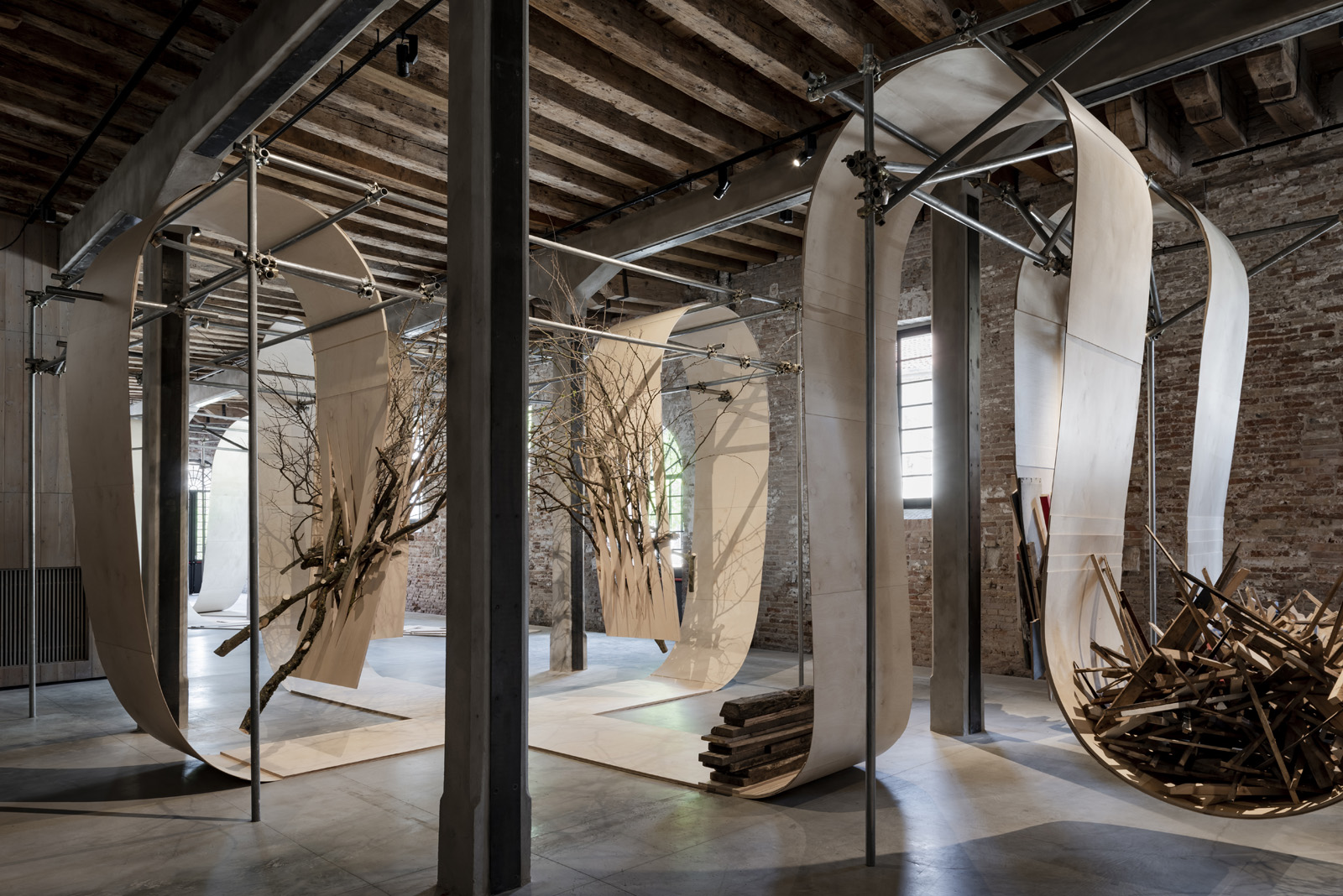 Image credit: Argentina Pavilion Venice Biennale. Photo by Matteo Losurdo
CFC: Any hot takes on the current state of the curatorial field or the art world in general? What do we need more or less of?
SD: Having worked across very different contexts, I feel the most pressing issues often change from city to city. But artists needs tend to be quite similar, decent fees, access to health insurance and/or a pension plan, for one. Improving working conditions across the board for cultural workers would be another very general issue to address. We also might need less and more sensible large-scale international art events.
CFC: What advice would you give to aspiring curators just starting their careers?
SD: That also depends on where in the world you want to work. In Buenos Aires, I usually tell my students that the best place to start is your own space. We have a long genealogy of independent spaces, which are often the best place to develop skills and build a voice, because you can always make mistakes and learn from them freely.
CFC: What does ‘success’ look like to you in curatorial work, and has that definition changed over time?
SD: Being from Argentina ‘success’ might have a different meaning than it does in other places. For one, being able to pay your rent solely through curatorial work is already a success. Beyond that, for me, success currently means having a voice and being able to develop my own curatorial language and research. I also consider it a major accomplishment when people continue to want to work with you because of your work ethic.
CFC: How do you maintain your curatorial integrity within institutional frameworks or funding pressures?
SD: I feel there’s always a fine line when dealing with institutions and funding, or the lack thereof. Not every context allows for as much freedom to choose as we would like to, which is a huge problem in the cultural field in general. But on a personal level, I feel that a good way to keep things in check is always being aware of your limits, and keeping it honest with yourself and with the artists you work with. Being transparent about a given framework helps both with sharing concerns and coming up with solutions together, and also to manage expectations.
CFC: What would your ideal curatorial workspace or support system look like?
SD: I currently run an independent space with my friend and colleague Santiago Villanueva. We named it pu chi pu li, which in Chinese means “neither here nor there.” Despite the lack of funding—which is far from ideal—it’s a beautiful working environment where we can share ideas, experiment, explore art historical issues beyond the confines of academia and institutions, and collaborate with artists we admire. Bringing financial sustainability into the equation would make it the ideal work scenario for the future.
Explore more of Sofía Dourron’s work on her website.
Profile photo credit: GIANK.
Are you interested in learning more about our CFC membership? Dive into how to become a CFC member here.