







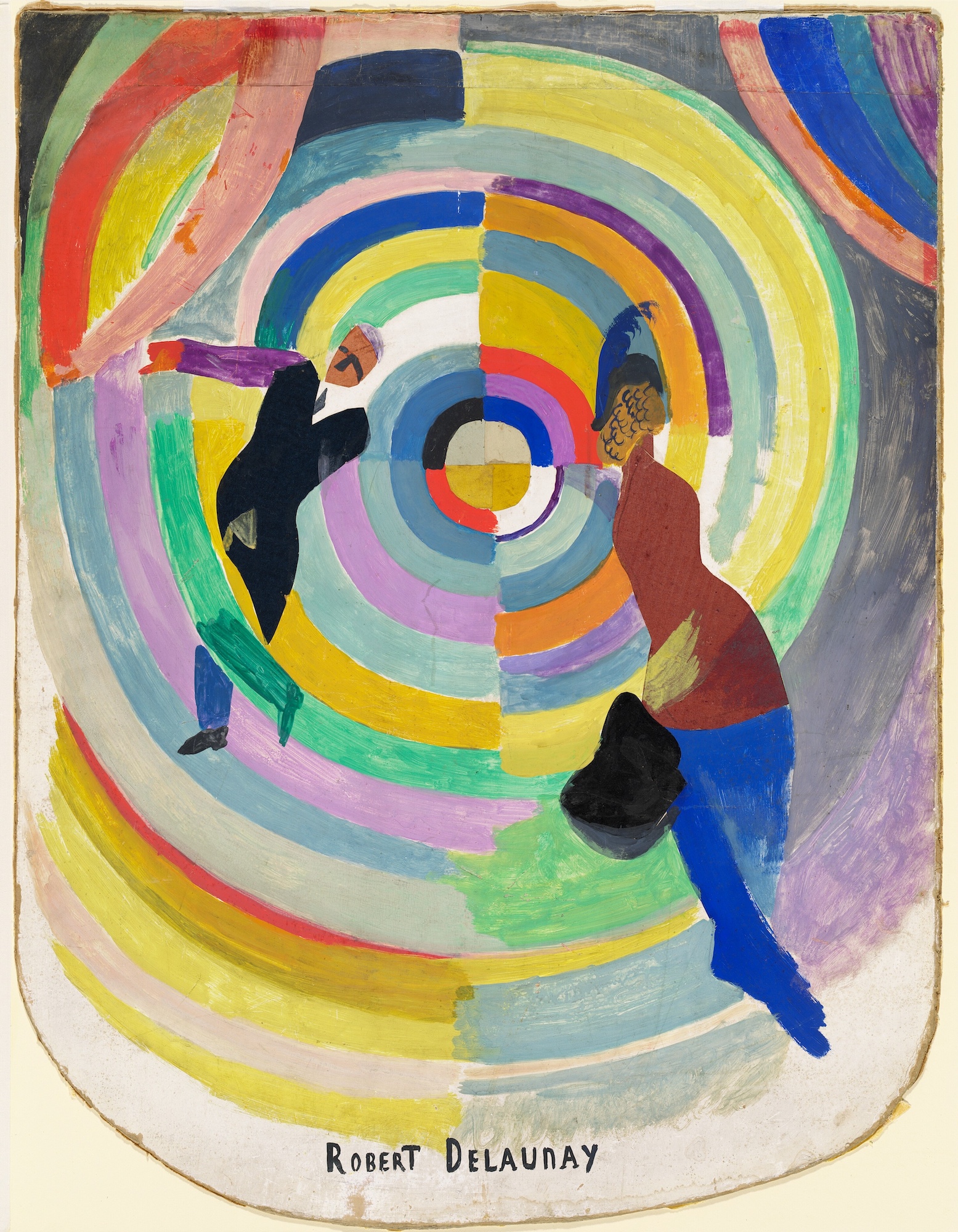
How to Research an Exhibition Like a Curator
#curatorial #Curatorial Practices #ExhibitionsAn exhibition begins long before you enter the gallery—and continues after you leave. Its meaning is produced not only by the artworks, but through curatorial framing, architecture, object placement, institutional history and what has been omitted.
Researching an exhibition like a curator means approaching it as a constructed argument. Whether undertaken before a visit or prompted by one, this process can help turn a passive visitor into an active reader of the exhibition and sharpen your ability to articulate your own curatorial arguments with greater intentionality.
Find the proposition behind the publicity
Before visiting, identify the exhibition’s central claim. Read its title, introductory statement and press release, but do not accept them as definitive explanations. Ask why these artists or objects have been brought together, which relationships are being proposed and why the exhibition is taking place now.
Carleton College’s guide to writing exhibition texts provides a useful framework for this analysis. It distinguishes between titles, brief descriptions, introductions, group labels and object captions—each of which performs a different function. Compare how the exhibition is presented across these layers, then look at interviews, reviews and the curator’s previous projects. Changes in language can reveal tensions between scholarly research, institutional priorities and publicity.
Treat the institution as part of the exhibition
Research the organisation presenting the show: its location, funding, collection, programme and intended audiences. An exhibition at a national museum operates under different pressures from one developed by an artist-run space, commercial gallery or biennial.
The British Museum’s interpretation guidelines demonstrate how museums define audiences, key messages and interpretive methods before an exhibition opens. Use these categories critically. Who is imagined as the visitor? Whose knowledge is treated as authoritative? If the exhibition concerns colonial collections, community histories or Indigenous knowledge, investigate how those represented participated in its development. Credits, acknowledgements and lender lists can expose relationships that the principal curatorial text leaves understated.
Follow the exhibition’s hidden script
During or after your visit, map how information is organised. Introductory panels establish the premise; section texts divide it into arguments; captions connect those arguments to individual works. Their sequence forms a narrative arc, which you are now following, step by step, through the gallery.
The V&A’s guide to writing gallery text recommends layered information, active language, direct engagement with objects and an honest acknowledgement of uncertainty. Museums Galleries Scotland similarly advises writers to establish clear themes and prioritise what visitors need to understand. These principles offer criteria for evaluating whether an exhibition’s texts genuinely open the subject—or simply assert the institution’s interpretation.
Document your observations
Document more than whether you “liked” the exhibition. Record unexpected ideas, recurring materials, spatial transitions, sound, lighting and the movement of other visitors. Photograph labels where permitted, sketch the floor plan and note questions while they remain immediate.
Afterwards, compare your observations with reviews and catalogue essays. Arts Emergency’s guide to writing exhibition reviews recommends balancing contextual research with close attention to the experience of the show. Consider where your encounter diverged from the exhibition’s stated intentions. These discrepancies are not failures of understanding; they are often where critical research begins.
Summary
To research an exhibition like a curator is to ask how its argument has been assembled, whose knowledge it privileges and how space and interpretation direct attention. The goal is not to uncover one correct meaning, but to understand the exhibition as a situated cultural form—one that can be entered, questioned and read against its own claims.
Download the Resource: Reading Exhibitions: A journal for active visitors
Are you a CFC Member? Download the Reading Exhibitions: A journal for active visitors below.
Member Login Please sign in below if you are a returning Call for Curators member.
If you have not yet created your account, please register now and join free for a week. Cancel anytime.This content is restricted to members only.