







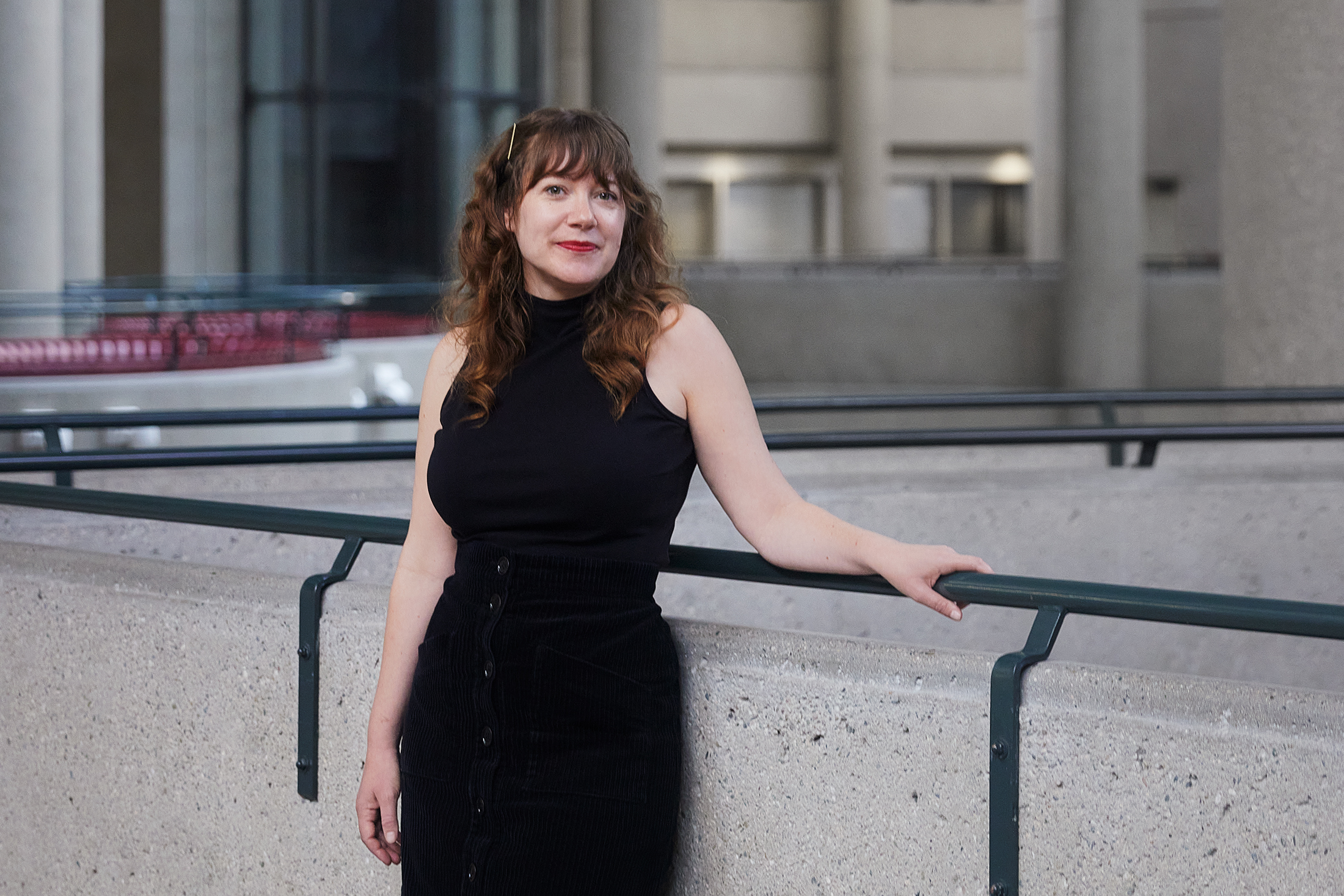
Ceci Moss, SMoCA Director and Chief Curator: From DIY Culture to Museum Leadership
On July 14th, Ceci Moss began a new role as director and chief curator of the Scottsdale Museum of Contemporary Art (SMoCA). To mark the occasion, Call For Curators asked her about her curatorial journey, her vision for SMoCA, and what she hopes to achieve in the year ahead.
CFC: Can you tell us about your journey, how you got started in curatorial work and what drives your passion today?
CM: I came into curatorial work through my involvement in creative communities, which began in my teens during the 1990s in the San Francisco Bay Area. I was part of the punk feminist movement riot grrrl—publishing zines, playing music, touring, and seeking out like-minded people through artist-run and artist-centered independent venues like 924 Gilman, Artists’ Television Access, The Lab, and various warehouse spaces. My interest in DIY culture and music continued while I was at UC Berkeley, and shortly after graduating, I moved to New York City. At 22, I was fortunate to land my first job in the art world at the New Museum and Rhizome, which shaped the course of my career in many ways.
Both then and now, I’m driven by a genuine love for artists and a belief in the power of art to generate new ideas, foster meaningful connections, and open up experiences that wouldn’t be possible otherwise.
CFC: You’ve led both independent arts centers and academic galleries. How is your curatorial vision for SMoCA different from these other spaces?
CM: I want to build on the museum’s strong reputation for presenting high-profile exhibitions by emerging artists at pivotal moments in their careers. I first became aware of SMoCA through artists themselves—many of whom have had their first major institutional shows at the museum. I also plan to integrate technology and innovation into the museum’s multidisciplinary focus on contemporary art, architecture, and design. Much of my curatorial and academic work over the past two decades has been attuned to the impact of technological development on art practice, and I’m excited to continue those thematic through-lines in upcoming exhibitions.

James Carpenter Studios, Glass Scrim Wall, SMoCA. Photo: Charles Darr. Courtesy of SMoCA.
CFC: In your opinion, what is the role of a contemporary art museum in engaging with its community and broader public?
CM: In an era marked by polarization, social isolation, and distraction, I believe museums like SMoCA play an important role in bringing the community and the broader public together in shared space so that they can connect more meaningfully with themselves, their communities, and the world.
Further, SMoCA is part of the larger cultural campus of Scottsdale Arts, which includes Scottsdale Center for the Performing Arts, Scottsdale Public Art, Scottsdale Arts Learning & Innovation, Canal Convergence, and Civic Center LIVE. This multidisciplinary structure closely resembles that of Yerba Buena Center for the Arts (YBCA) in San Francisco, where I worked as a curator for many years. From that experience, I’ve seen firsthand how multifaceted cultural institutions can foster cross-disciplinary exploration and generative collaborations. These structures expand public engagement in important ways and develop connections across diverse audiences.
CFC: What are the challenges and opportunities in working at a museum like SMoCA, considering its long history of exhibition-making?
CM: I’m stepping into this role after living and working in Los Angeles and San Diego since 2016, both cities with committed, tight-knit art communities. I’m excited to bring that artist-centered, community-first sensibility into my leadership at SMoCA, and, thankfully, it feels like a natural fit.
I often return to a question posed by artist and former Recess co-director Shaun Leonardo, who once wrote: “What would it look and feel like for an institution to be in community rather than purporting to serve community?” I think this is an excellent question. It reminds us that arts organizations, like museums, should see themselves operating within the larger cultural ecosystems they inhabit. One of the greatest opportunities at SMoCA is that this ethos is already part of its foundation. There’s an existing framework of mutual support, trust, and dedication rooted in the museum’s long and celebrated history.
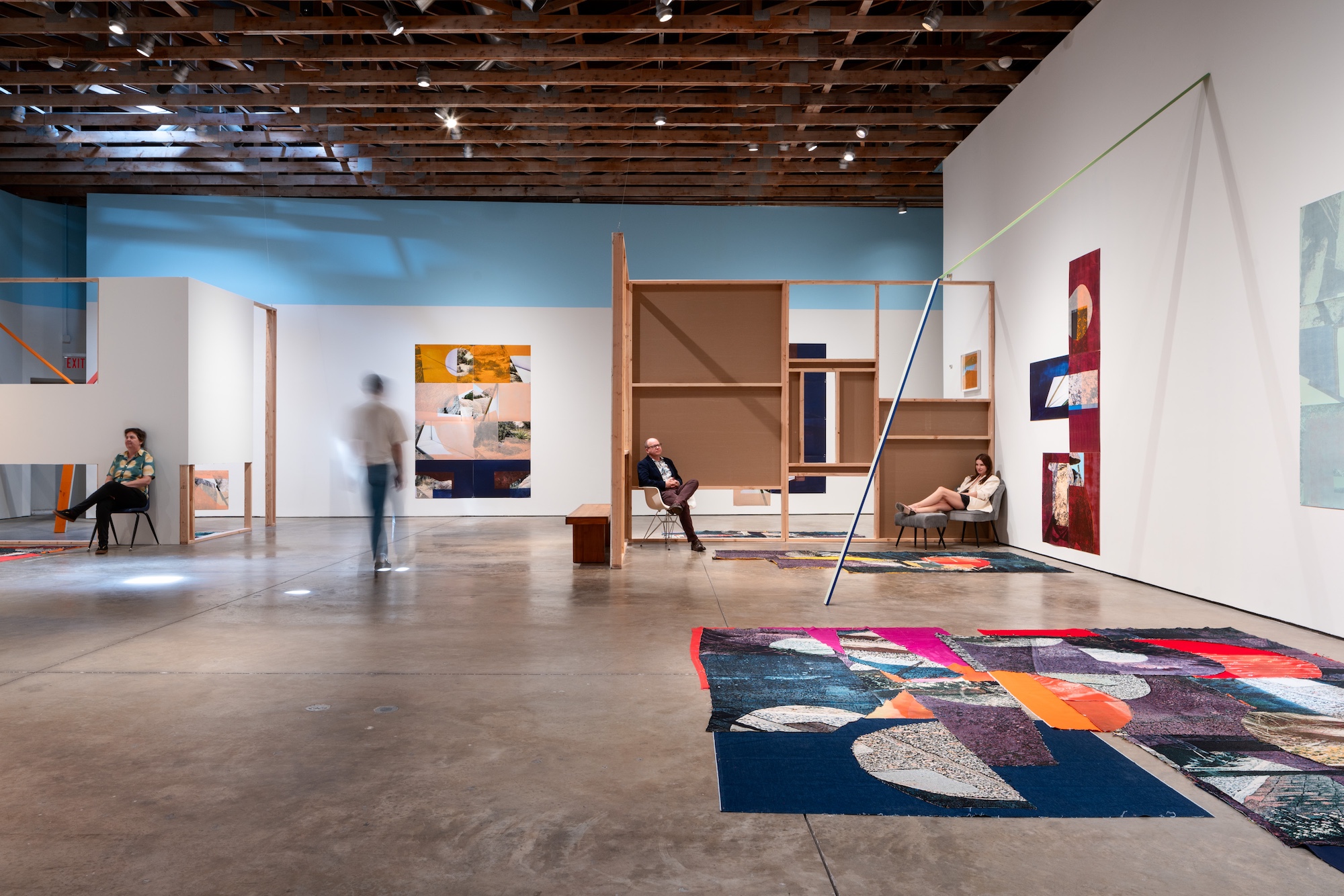
Exhibition view: Cybele Lyle, Floating Seeds Make Deep Forms, SMoCA (Aug 24, 2024 – Aug 24, 2025). Photo: Aaron Rothman. Courtesy of SMoCA.
CFC: Looking ahead, what does success look like for SMoCA under your directorship in the first year?
CM: I’m joining SMoCA at an exciting time, with several major milestones already in motion. While more details will be announced at a future date, the CEO of Scottsdale Arts, Dr. Gerd Wuestemann, is leading efforts toward a possible expansion that will greatly increase the museum’s footprint and capacity.
In the coming year, I’ll also be involved in SMoCA’s reaccreditation process through the American Alliance of Museums, a rigorous evaluation that takes place every ten years. At the same time, we’re preparing to launch SMoCA’s new digital guide on the free arts and culture app Bloomberg Connects.
We also have some fantastic current and forthcoming exhibitions. Closing soon is Los Angeles-based artist Cybele Lyle’s first solo museum presentation, Floating Seeds Make Deep Forms. This responsive, site-specific installation reflects the kind of ambitious projects the museum can support. Coming up in March 2026, SMoCA will debut a two-person exhibition featuring mother and daughter Beth Ames Swartz and Julianne Swartz, curated by Lauren R. O’Connell (curator of contemporary art at SMoCA). Both artists have strong ties to Arizona, and it will be their first time exhibiting together.
For me, success in this upcoming year means building on this foundation by working with the team to center artists in everything we do and strengthen connections with the community through inclusive, thoughtful programming and exhibitions.
CFC: What’s one hidden gem at SMoCA, a quiet corner, quirky installation, or overlooked detail, that you hope visitors discover?
CM: One gem at SMoCA is Knight Rise (2001), a permanent Skyspace installation by Arizona-based artist James Turrell, located in the museum’s Nancy and Art Schwalm Sculpture Courtyard. During the interview process, I learned that several members of the community visit this piece regularly to meditate. Once you experience it, it’s easy to understand why. The elliptical opening in the structure frames the monumental expanse of the Arizona sky in a way that immediately invites stillness and reflection.
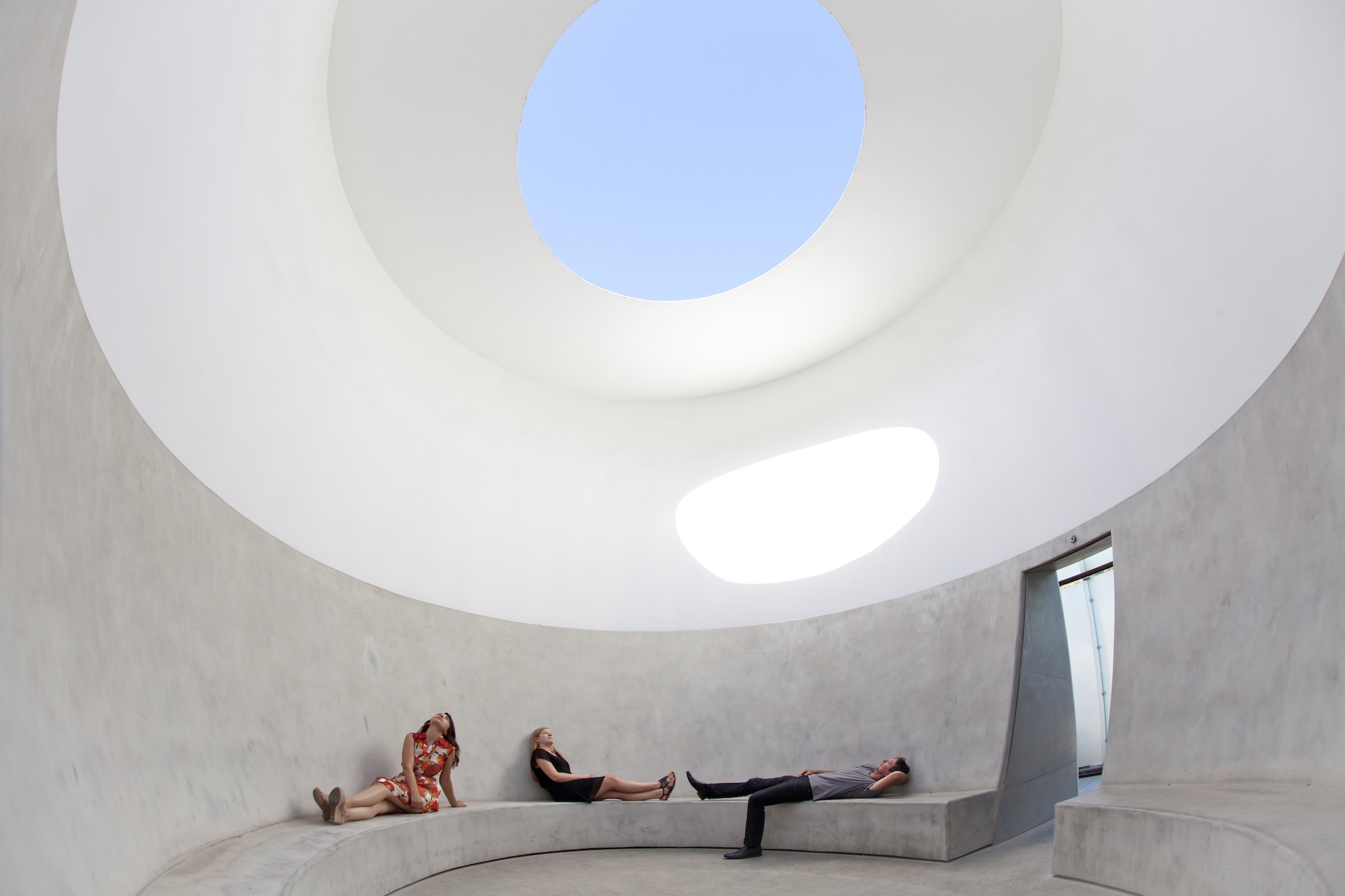
Installation view: James Turrell, Knight Rise (2001), SMoCA. Photo: SeanDeckert. Courtesy of SMoCA.
CFC: What advice would you give to someone wanting to pursue a career as a curator today?
CM: Lead with integrity, and always center the artist. The best curators are those who recognize the potential of an artist’s practice and understand that their role is fundamentally supportive. Make choices that advocate for the greater good, whether that’s in service to artists, audiences, or your community.
Biography
Ceci Moss is a curator, writer, and educator with twenty years of professional practice organizing solo, group, touring, and online exhibitions, as well as public programs, performances, and screenings, in museums, galleries, and artist-run spaces. She currently serves as the director and chief curator of Scottsdale Museum of Contemporary Art (SMoCA), a museum dedicated to contemporary art, architecture, and design. Established in 1999 and housed in a building designed by Will Bruder, SMoCA is run by Scottsdale Arts. It is the only museum in the Phoenix metropolitan area solely focused on contemporary art.
Previously, Moss was the director and chief curator of the Mandeville Art Gallery at the University of California, San Diego; founding director of Gas; assistant curator of Visual Arts at Yerba Buena Center for the Arts; senior editor of the art and technology nonprofit arts organization Rhizome; and special projects coordinator at the New Museum of Contemporary Art. She has a master’s degree and doctorate in comparative literature from New York University and a bachelor of arts in history and sociology from the University of California, Berkeley. www.cecimoss.com
Profile image: Ceci Moss. Photo: Leah Rom. Courtesy of SMoCA.