


Hannah Klemm on The Andy Warhol Museum: Curating Legacy, Contemporary Art and Visual Culture
#curator #Curatorial Practices #interviewRecently, Hannah Klemm was appointed Milton Fine Curator of Art at The Andy Warhol Museum. As she begins this new chapter, Call For Curators invited the curator to reflect on her professional trajectory, the possibilities of working within a museum dedicated to a single artist and her vision for engaging with Warhol’s legacy through contemporary artistic practices.
CFC: Can you tell us about your journey? How did you get started in curatorial work and what drives your passion today?
I actually started thinking about a career in museums quite early. In high school, I was a junior docent at my hometown art museum, and I think that experience stayed with me. I was fascinated by art, but also by the idea of the museum as a place where you could help people encounter something unfamiliar and begin to see or think differently. I remember some of the works that puzzled me or pushed my boundaries vividly to this day. I kept going back to them in order to understand them better and to understand why they elicited such a response.
I went on to study art history in college and then completed my MA, where I focused on eighteenth- and nineteenth-century German art. Afterward, I worked at a commercial gallery before returning to graduate school for my PhD in modern and contemporary art. By then, I knew that I ultimately wanted to be a curator. What really drew me to curatorial work was being around art objects themselves and experiencing them within the space of a museum. There is something incredibly powerful to me about encountering an object made in another moment: it carries layers of history with it, but we inevitably see it from our own present. We can reconsider what it meant, what purpose it served, and what it might mean now. In some ways, art is remarkably rooted in its own time and able to transcend it at the same time.
While finishing my doctorate, I pursued a series of museum fellowships that allowed me to move between academic research and the very different, collaborative work of studying collections and creating exhibitions. My doctoral research focused on underground art in East Germany, and that work continues to shape how I think about art. It taught me to look for the ways artists create spaces for resistance, experimentation, community, and alternative ways of seeing the world, even under extraordinarily restrictive circumstances.
What drives me now is, first and foremost, artists. I love their vision and being given the opportunity to work alongside them. I see one of the great privileges of being a curator as helping facilitate their creative processes and bring something into the world that might not otherwise exist, be it an exhibition, an artwork, or an encounter that can affect how someone sees the world.
I’m equally passionate about making art accessible to people and about the role museums can play within their communities. I truly believe that people should have access to art, not because museums need to tell them what to think, but because art can challenge assumptions, introduce underrepresented and lesser-known histories and experiences, and push us toward new ways of seeing the world. Hopefully, it can also lead to new ways of envisioning our collective future.
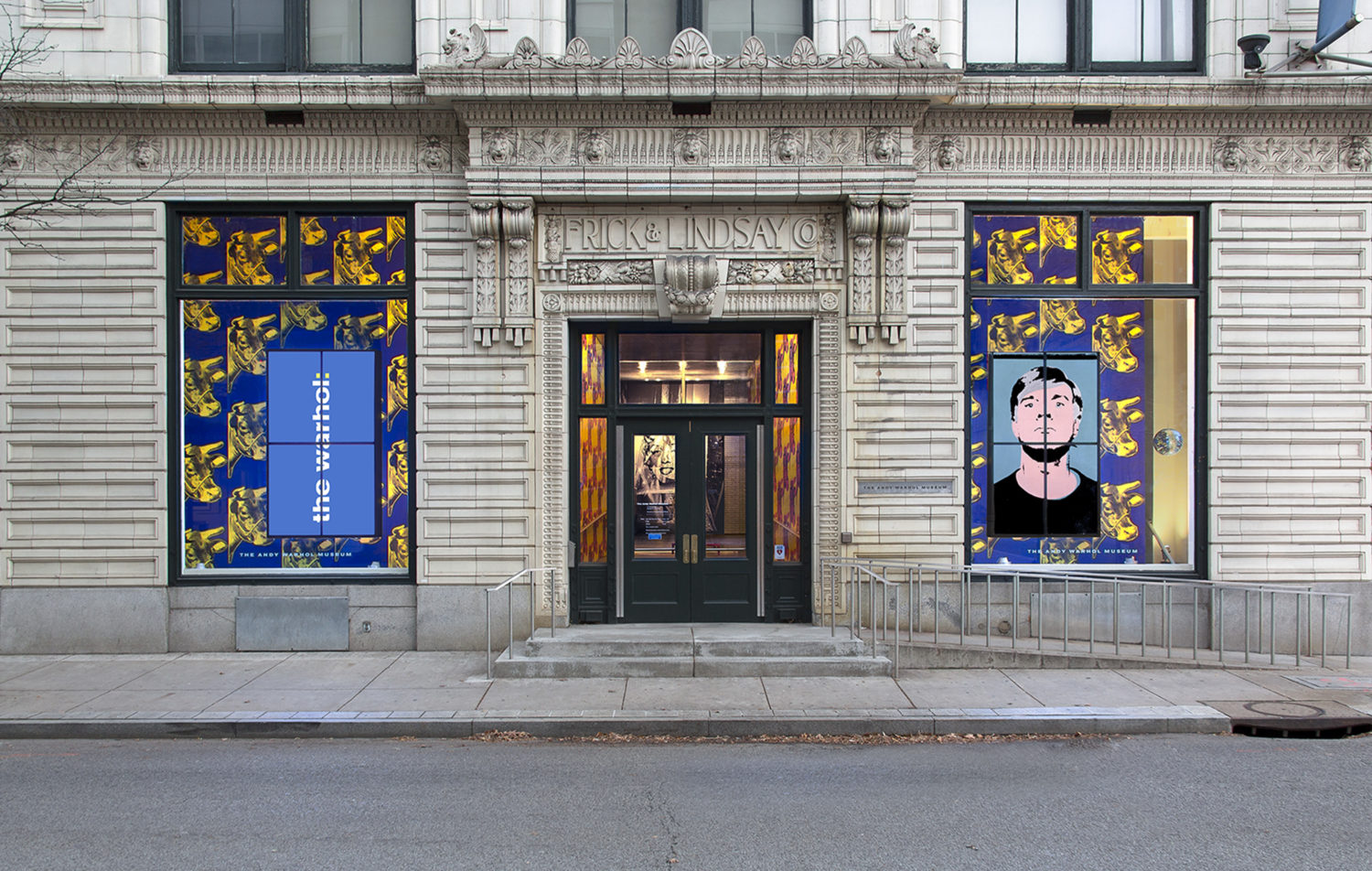 The Andy Warhol Museum, Pittsburgh, entrance, photo © Abby Warhola
CFC: What attracted you to the role of Milton Fine Curator of Art at The Andy Warhol Museum, and what are you most looking forward to exploring as you begin this new chapter?
What attracted me to the role of the Milton Fine Curator of Art at The Andy Warhol Museum was, first, Warhol himself. He is one of the most recognizable names in American art, and his work is so deeply embedded in our visual culture that people often feel they already know him. Yet his practice was constantly changing. He was a prolific filmmaker, continually experimenting with new technologies, and some of his early drawings with their delicate, handmade, and deeply personal quality are among my favorite works. That combination of an immediately recognizable visual language and such a wide-ranging practice creates scores of possibilities for exploration and interpretation.
I was also drawn to the museum itself. As the largest single-artist museum in North America, it offers an extraordinary opportunity to go deeply into an artist’s work through an incredible collection and archive, while taking an expansive approach to continuing to expand on his legacy.
And I’m joining at a particularly meaningful moment as we approach Warhol’s centennial in 2028. It gives us an opportunity both to look closely at his work and history and to ask what his legacy means now. I feel like I’ve only begun to discover how much there is to explore.
CFC: What possibilities does curating in a concentrated institutional framework of a museum dedicated to a single artist present?
One of the things I find most exciting about a museum dedicated to a single artist is that the concentration actually creates an incredible amount of freedom. In an encyclopedic museum, you are necessarily thinking across an enormous field. At The Warhol, his work provides a framing device that allows us to go very deep while also making connections across periods, disciplines, artists, and histories.
It also creates the possibility for exhibitions to build on one another in a sustained way. The collection doesn’t sit separately from the temporary exhibition program, rather, it becomes an extension of it. Exhibitions can raise various questions that send us back into the collection or archive, and something we discover there can open another avenue for a future project. With the extraordinary depth of the museum’s collection and archives, that process can continue to unfold in so many directions.
I think there is something wonderfully paradoxical about the fact that the focus on a single artist can actually become a way of looking outward, which in itself is pretty Warholian.
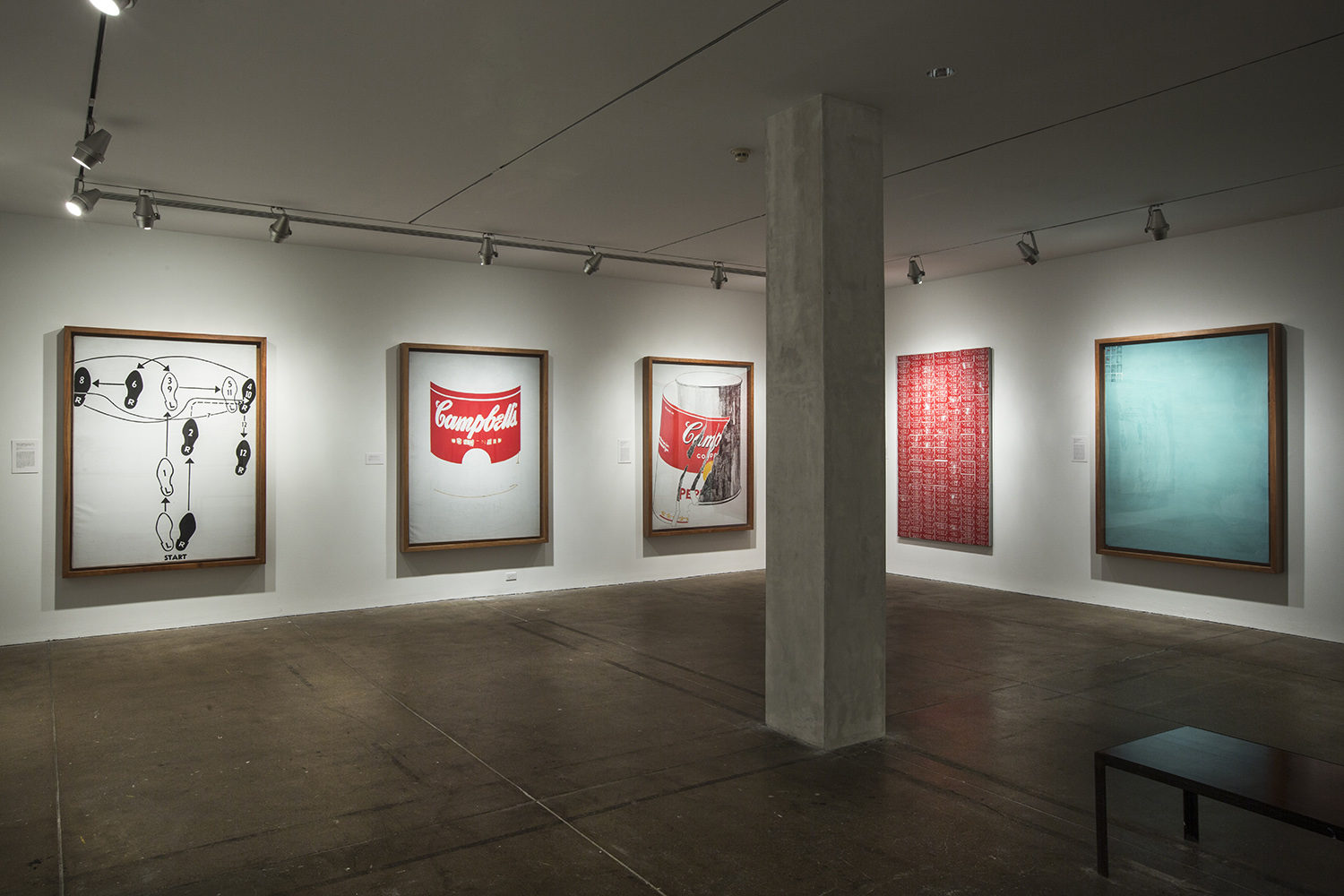 The Andy Warhol Museum, Pittsburgh, floor 7 – Early Pop gallery, photo © Abby Warhola
CFC: Warhol’s work continues to shape conversations around celebrity, consumer culture, image circulation and the construction of public identity. Which aspects of his practice feel especially urgent to revisit today?
For me, one of the most urgent aspects of Warhol’s work is mediation, namely how we see and understand the world through images and through the technologies that produce and circulate them. That was already embedded in his practice. Even his silkscreens are mediated images: photographs translated through a mechanical process, repeated, altered, and given new meaning through that transformation.
That feels particularly relevant now, when we are confronted with an almost overwhelming amount of visual information every day. Images reach us through layers of mediation, often detached from their original contexts, and are reproduced, manipulated, and circulated at extraordinary speed. I’m interested in what Warhol’s work can help us think about within that environment: how we pay attention, what breaks through the noise, what repetition does to an image, and how we make meaning from an excess of information.
While technologies have changed and continue to change dramatically, the questions about how images mediate our experience of the world have only become more complicated.
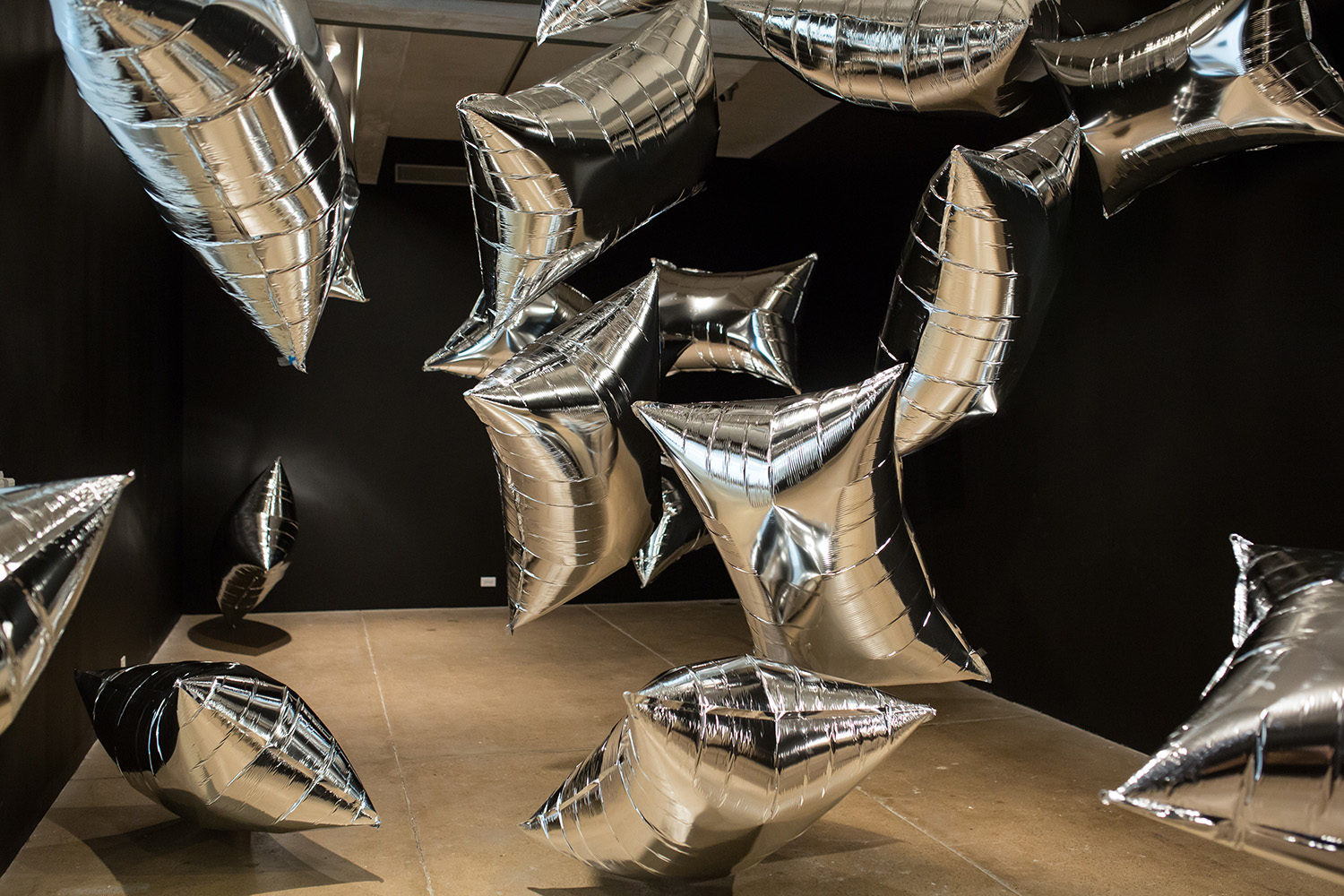 The Andy Warhol Museum, Pittsburgh, floor 5 – Silver Clouds gallery, photo © Abby Warhola
CFC: Your recent exhibition, Run the Code: Data-Driven Art Decoded by Thoma Foundation X Blanton Museum of Art, explored art made through coding, data and artificial intelligence. Do you see connections between these emerging forms of cultural production and Warhol’s interest in technology, reproduction and mass circulation?
Absolutely. One of the ideas that interested me most in Run the Code was the possibility of data itself becoming an artistic medium. We tend to encounter code and algorithms as systems designed to maximize efficiency, productivity, or some measurable outcome. The artists in the exhibition approached those same systems completely differently. They manipulated code much as another artist might work with clay or a brush, not necessarily asking it to arrive at the most efficient result, but using it to express, reveal, and visualize things that might otherwise remain hidden.
Artists such as Daniel Canogar, Rafael Lozano-Hemmer, and Jason Salavon approach this in very different ways, but their work makes the systems and information shaping contemporary life perceptible in new ways.
I see a real connection to Warhol there. He was continually interested in the technologies of his own moment and in what happened when an image moved through processes of reproduction, translation, and circulation. I don’t think the connection is that Warhol somehow anticipated AI or contemporary digital art, but rather that there is a shared willingness to treat technology as a creative material, to experiment with its possibilities and, in doing so, make us more conscious of the systems through which we see and understand the world.
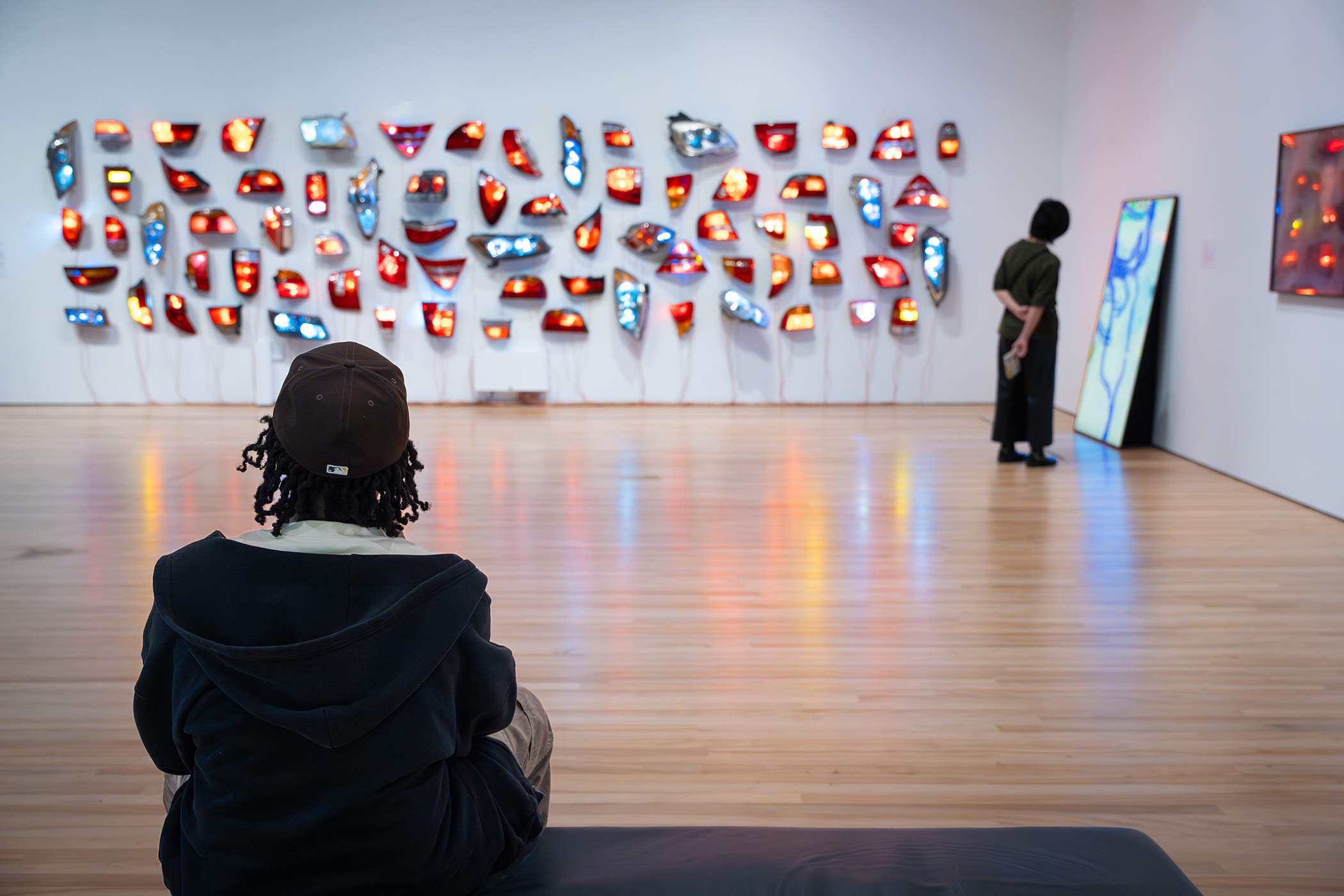 Visitors in Run The Code. Courtesy of Blanton Museum of Art
CFC: How do you see your role as a curator in enabling contemporary artists to expand conversations around Warhol, rather than positioning their work simply as a response to his legacy?
I think it’s important to begin with contemporary artists on their own terms. Their work doesn’t need Warhol to validate it, and I wouldn’t want to bring an artist into the museum simply to illustrate an aspect of his legacy. They arrive with their own practices, histories, and questions.
At the same time, in the context of The Warhol, the connection to Warhol should be meaningful. Sometimes a contemporary artist’s work can complement his; sometimes it can respond to or push against it; and sometimes the connection can reveal a tension or contradiction that allows us to think differently about both. I’m interested in creating the conditions for those relationships rather than prescribing exactly what they need to mean.
For me, that is what makes contemporary art such an important part of a museum dedicated to Warhol. It allows his legacy to remain active rather than fixed, while giving contemporary artists space to expand the conversation in directions that Warhol’s work alone cannot.
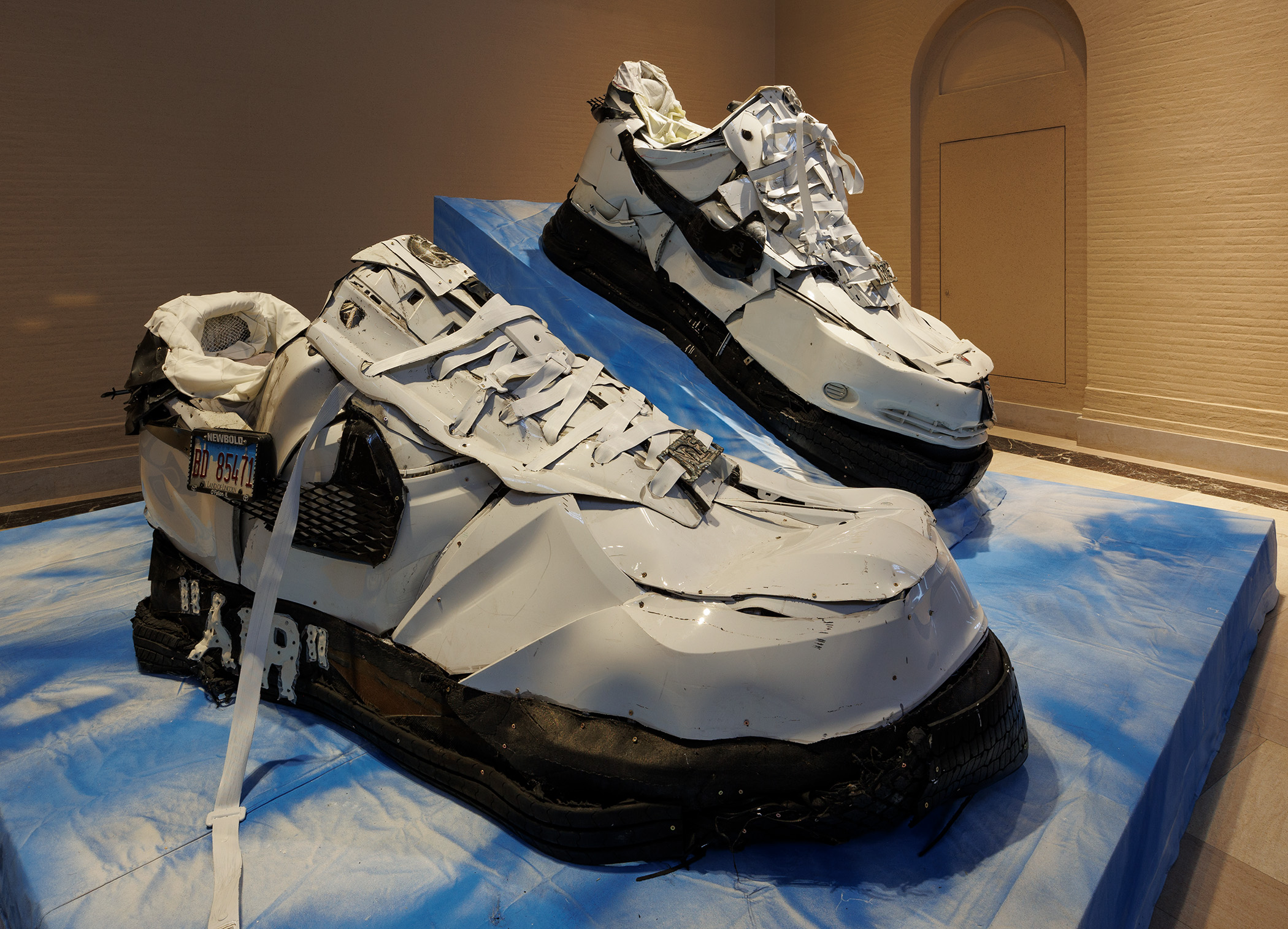
The Culture-Hip Hop and Contemporary Art in the 21st Century. Courtesy of the Saint Louis Art Museum
CFC: What parts of our contemporary culture do you think Warhol would be the most drawn to if he were alive today?
It’s always difficult to speculate about what an artist would be interested in today, but I think Warhol would have been fascinated by the sheer access to visual information. He was an extraordinary collector of objects, images, and information, and today the volume of material available to collect, save, reproduce, manipulate, and circulate is almost limitless. It is definitely an interesting thought experiment to consider what he might have done with our incredible excess of visual material.
Hannah Klemm is the Milton Fine Curator of Art at The Andy Warhol Museum. Previously, she was the curator of modern and contemporary art at the Blanton Museum of Art at the University of Texas at Austin, an associate curator of modern and contemporary art for the Saint Louis Art Museum and held a variety of curatorial fellowship positions at the San Francisco Museum of Modern Art, The Art Institute of Chicago and the Smart Museum of Art at the University of Chicago.
As curator of modern and contemporary art at the Blanton Museum of Art, Klemm organized exhibitions, commissions, publications and public programs and stewarded the museum’s contemporary collection. Her most recent exhibition, Run the Code: Data-Driven Art Decoded by Thoma Foundation X Blanton Museum of Art an exhibition of digital art that uses coding, data or AI to interact with museum visitors, was covered by The New York Times.
As associate curator of modern and contemporary art at the Saint Louis Art Museum, Klemm oversaw Currents, a long-running series commissioning new work by living artists and the New Media Series, dedicated to single-channel video. She also co-organized The Culture: Hip Hop and Contemporary Art in the 21st Century with the Baltimore Museum of Art. The international touring exhibition examined mass culture, celebrity, branding and artistic production through a collaborative, multimedia exhibition that integrated local partnerships and community engagement into its exploration of hip hop’s impact on contemporary art and culture.
Klemm received a BA in art history and visual arts with a concentration in printmaking from Sarah Lawrence College, a MA in art history from the Courtauld Institute of Art and a PhD in art history from the University of Chicago.
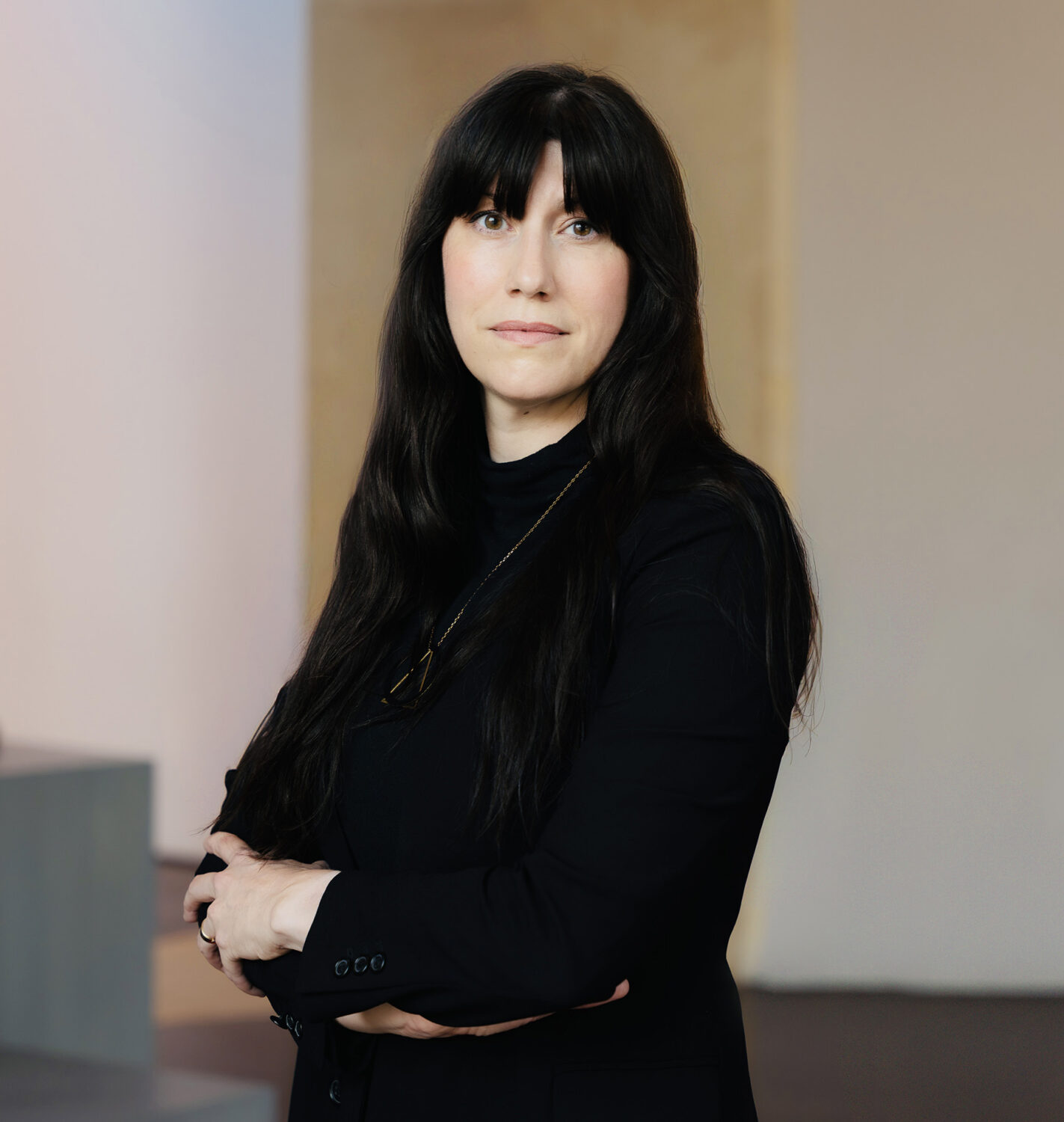
Profile photo: Hannah Klemm, photo by Manny Alcala