







Meet Plicnik Space Initiative: On Curating Beyond the White Cube
#CFC Members ProgramCFC Members Spotlight is a monthly interview series showcasing the work of our members on our blog and social media. Through this series, we highlight the diverse curatorial practices in our community and encourage new connections and exchanges.
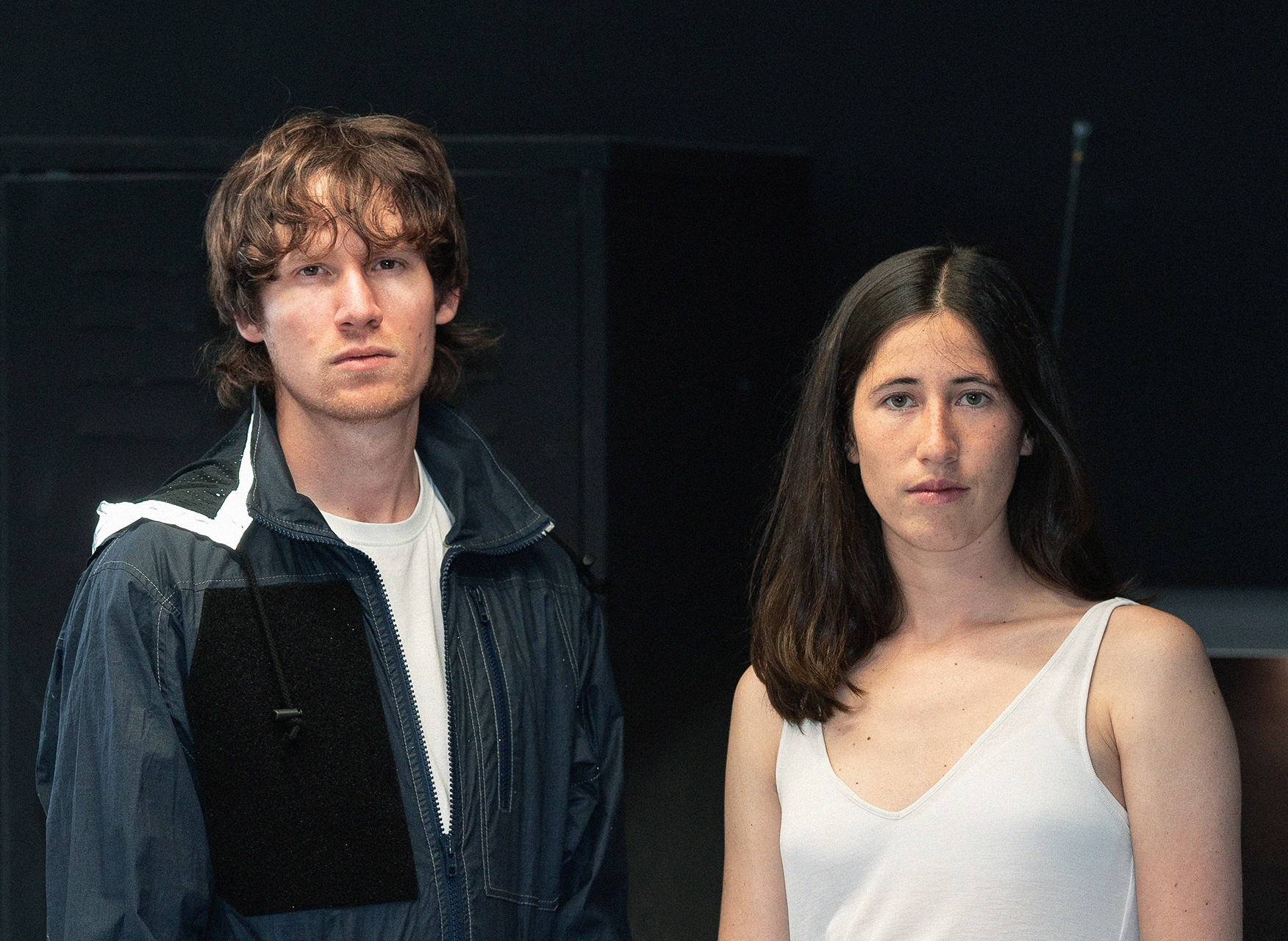
Meet CFC Members Plicnik Space Initiative (Amélie Mckee & Melle Nieling)
Plicnik Space Initiative investigates the interplay between online and physical territories. Their projects propose experimental environments and contexts for artists to create work in, opening discourse on the modalities of art exhibiting.
In our latest Members Spotlight, curators Amélie Mckee & Melle Nieling from Plicnik Space Initiative trace their journey from navigating the limitations they faced as artists to developing experimental frameworks that rethink how art can be exhibited in both physical and digital spaces.
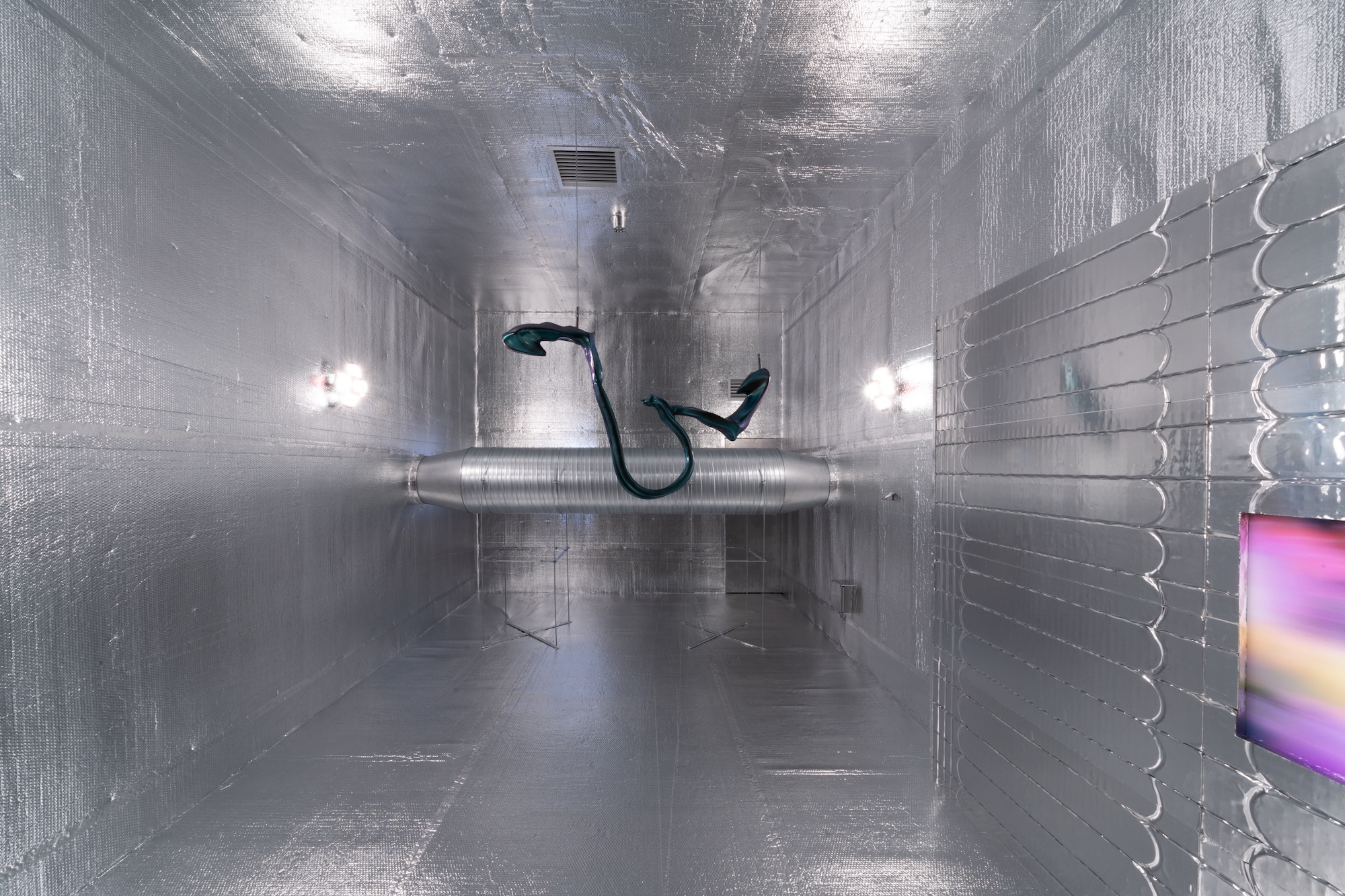 Image credit: LOG 3 Interceptor group exhibition at Plicnik Space Initiative shot by Vex Noir
CFC: What inspired you to pursue a career as curators? Was there a particular moment or experience that sparked your interest?
PSI: Our work as curators was sparked both by a lack of agency and a desire for more unique frameworks we experienced as artists. As curators we want to create the kinds of environments that we would like to respond to with our own practices.
During COVID, we observed how physical gallery spaces migrated online. This generally happened in unoriginal ways, simply replicating their real-life counterparts with clumsy user interaction, leading us to think about alternative models of artmaking and presentation that could exist outside the standard white cube format. We launched our first open call: an online spaceship with imaginary physical constraints.
CFC: What thread or idea ties your work together?
PSI: Our curatorial work explores the contrast between virtual and physical space, questioning how we inhabit and navigate both realms. Through concept-driven scenography, we deliberately experiment with applying digital logic to physical environments and vice versa. This often results in a tension, creating experiences that feel simultaneously familiar and strange.
By transferring digital aesthetics (precision, coldness, pixel-perfect alignments) into physical materials, we highlight the “uncanny valley” between these worlds. Our exhibitions often feature elements that would make perfect sense in a digital environment but become impractical or subtly disorienting when manifested physically. This approach challenges viewers to reconsider their relationship with both digital interfaces and gallery spaces.
CFC: Name a project or exhibition that holds special significance for you. What made it stand out?
PSI: Alpine XP: Our participation in the ARTIST RUN FAIR, organised by Willie Willie in Brussels. This fair, dedicated to artist-run spaces, challenged us to translate our experimental approach into a more traditional, canonized setting without compromising our core values.
What made this project particularly significant was how we deliberately subverted the conventional notion of an art fair booth as a self-contained, hermetic space. Instead of accepting these physical limitations, we expanded our exhibition beyond the building’s boundaries. We placed Theo Ellison’s work on a ledge of the façade of the cathedral neighbouring the building, while simultaneously running an artificial snow machine inside the exhibition space. This created a dialogue between interior and exterior and toyed with the fair booth’s already completely artificial bounds.
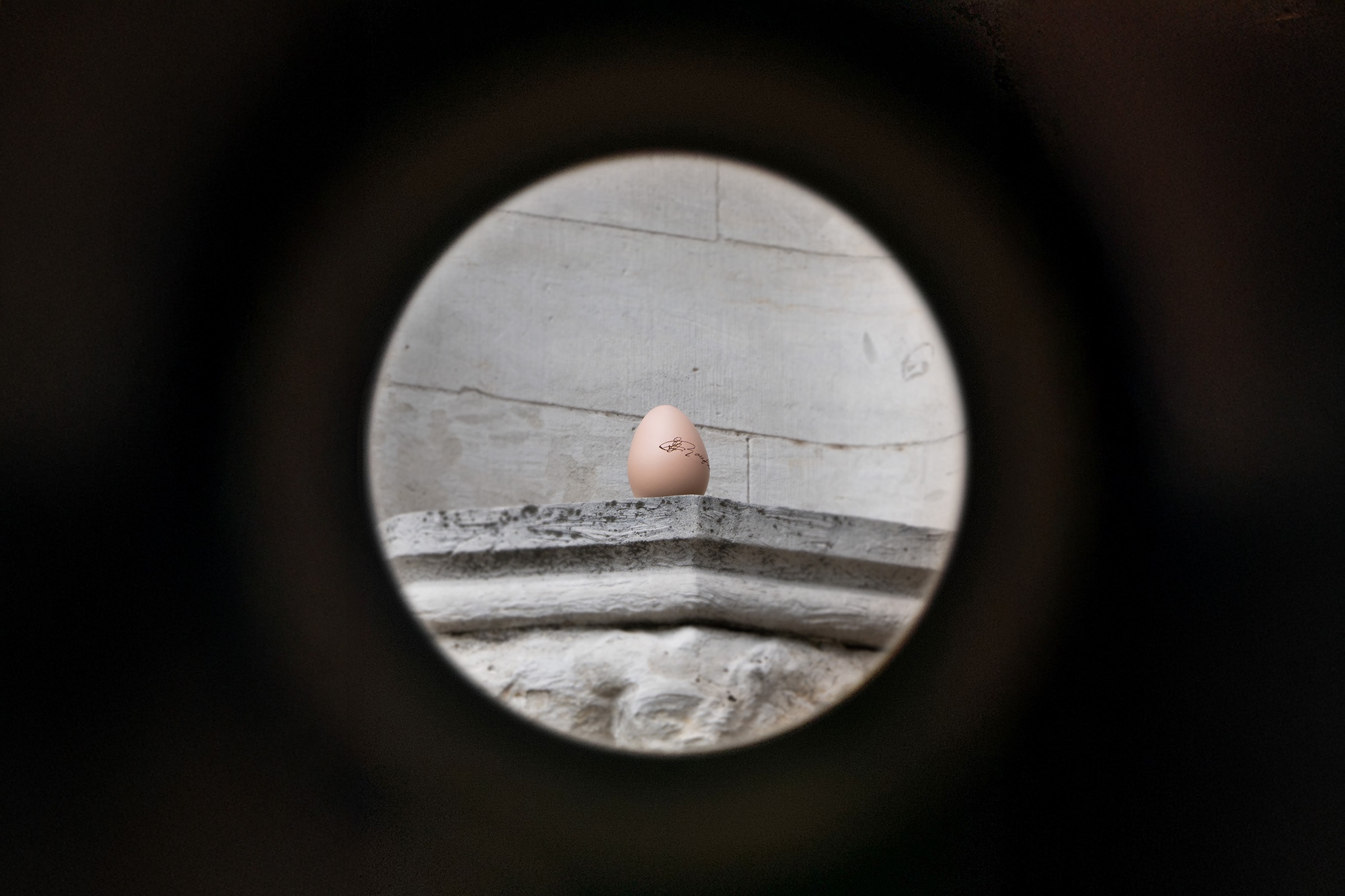
Image credit: Romantic Egg by Theo Ellison installed on Cathedral of St. Gudula. Photo by Vex Noir.
CFC: What’s something unexpected or surprising you’ve learned through your curatorial work? This could be about art, people, institutions—or even yourselves.
PSI: We’ve also noticed that when art is presented outside of the traditional white cube gallery space, many people realize they actually enjoy art. The white cube environment has a intimidating effect and can make people feel like art is not for them, but breaking away from that setting helps create a welcoming and more accessible experience, even if there is no explicit wall text.
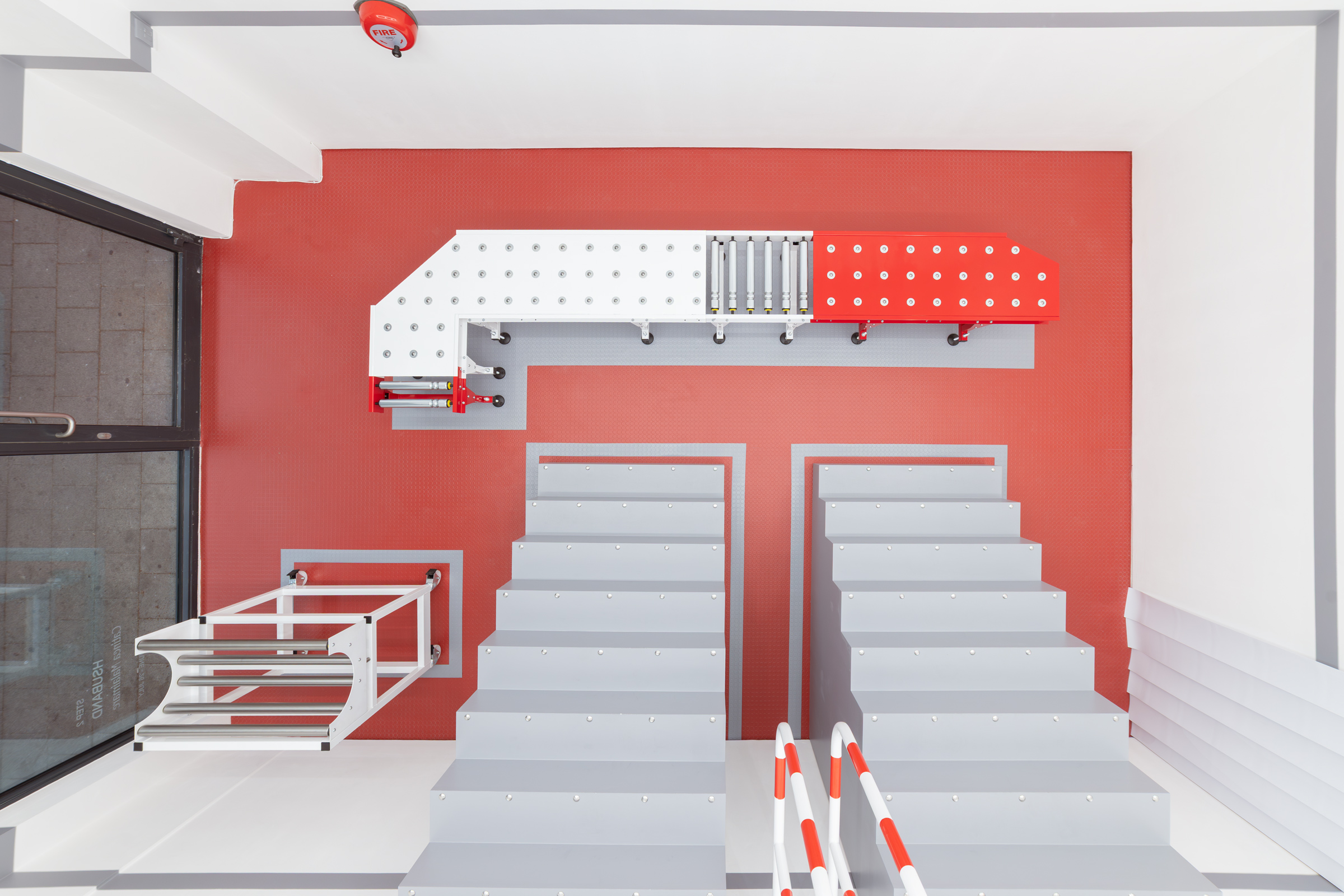 Image credit: HSUBAND solo by Catinca Malaimare at Plicnik Space Initiative.
CFC: What advice would you give to aspiring curators just starting their careers?
PSI: Try to engage with art-making and other roles involved in the creative process, not just curating. Gaining firsthand experience of the different kinds of labor that go into making things happen fosters empathy and a deeper understanding of your collaborators. This awareness not only helps build stronger relationships, but also leads to more thoughtful, well-rounded projects. Sometimes, showing that you’re truly committed means being willing to get your hands dirty and stepping outside the boundaries of your formal role.
CFC: What would your ideal curatorial workspace or support system look like?
PSI: Our ideal curatorial workspace and support system would center around community and research. We recently started holding critique sessions in our space and have found real value in this. There’s a strong desire among artists and curators for critical dialogue outside educational settings, which we’d love to engage with more.
We envision developing a residency program that hosts artists on-site, giving them time and space to create work thoughtfully rather than rushing through quick builds. Working with larger budgets would enable us to foster new work creation instead of simply displaying existing pieces.
Explore more of Plicnik Space Initiative’s work on their website.
Profile photo credit: Portrait Amélie Mckee & Melle Nieling by Adriana Vančová
Are you interested in learning more about our CFC membership? Dive into how to become a CFC member here.