







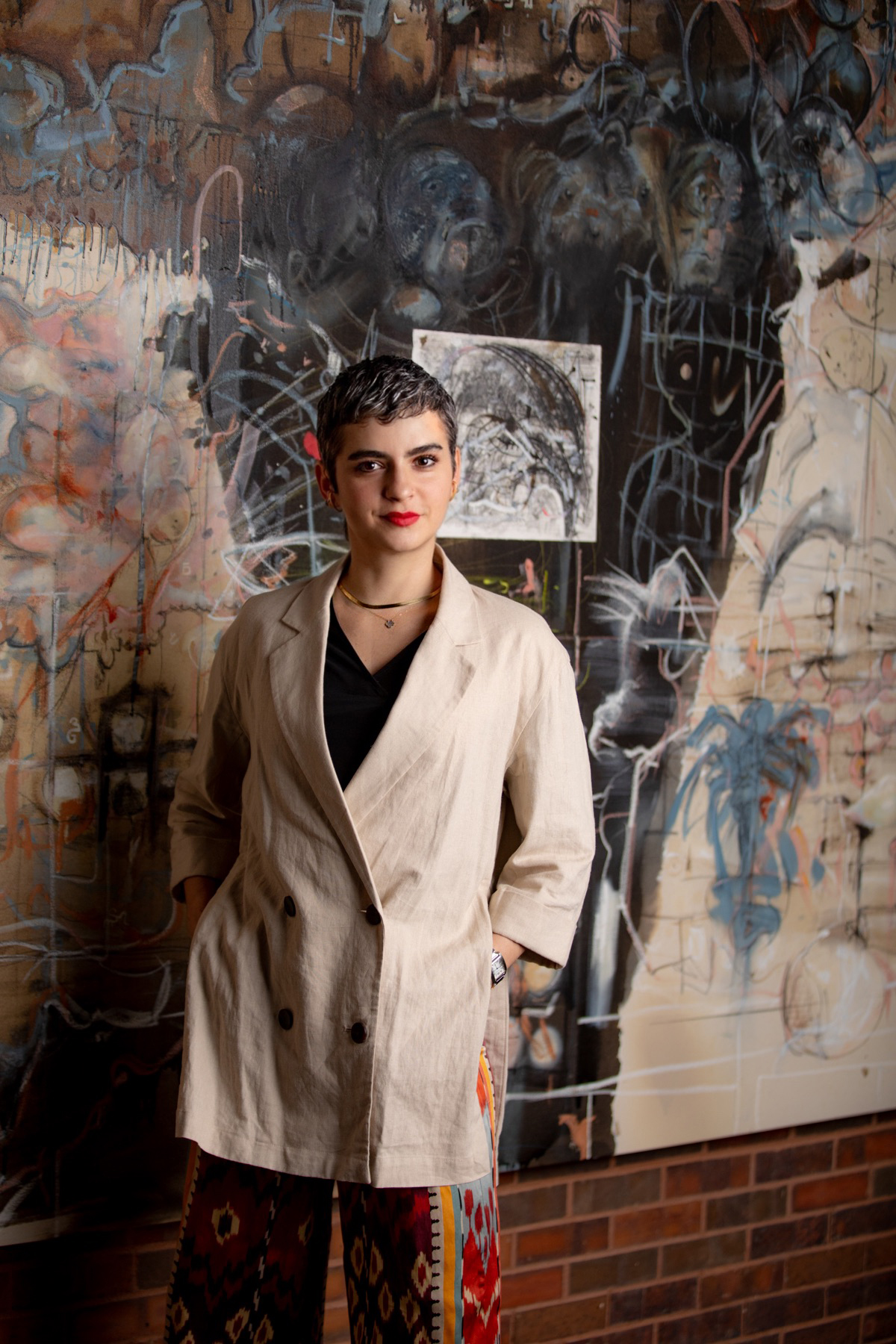
Meet Vivian Zavataro: On Making Museums More Accessible and Inclusive
#CFC Members Program #curator #interviewCFC Members Spotlight is a monthly interview series showcasing the work of our members on our blog and social media. Through this series, we highlight the diverse curatorial practices in our community and encourage new connections and exchanges.
Meet CFC Member Vivian Zavataro
CFC: What inspired you to pursue a career as a curator? Was there a particular moment or experience that sparked your interest?
VZ: I grew up in São Paulo, Brazil, surrounded by museums, galleries, performances, theater, and cinema. Art, color, and creativity were just part of my daily life. Brazilians lean heavily on art, music, and culture to cope with the reality of living under a government that constantly fails its people. That shared attachment to culture is how we build community, identity, and joy. But even as a kid moving through those spaces, I noticed who wasn’t in them. Women, queer artists, Latine artists — people like me — were consistently absent from the walls. That absence is what pushed me toward this work, opening up museum spaces to be more accessible and equitable.
CFC: What thread or idea ties your work together?
VZ: Relevancy. One of my biggest pet peeves in this field is curators who curate for other curators. Our job is to curate for the public, full stop. That means grappling with the issues that actually matter to the communities we serve, which vary depending on where one works. Our professional training isn’t there for us to flex how much we know; it’s there to help people engage with art in ways that build belonging, education, and community.
CFC: Name a project or exhibition that holds special significance for you. What made it stand out?
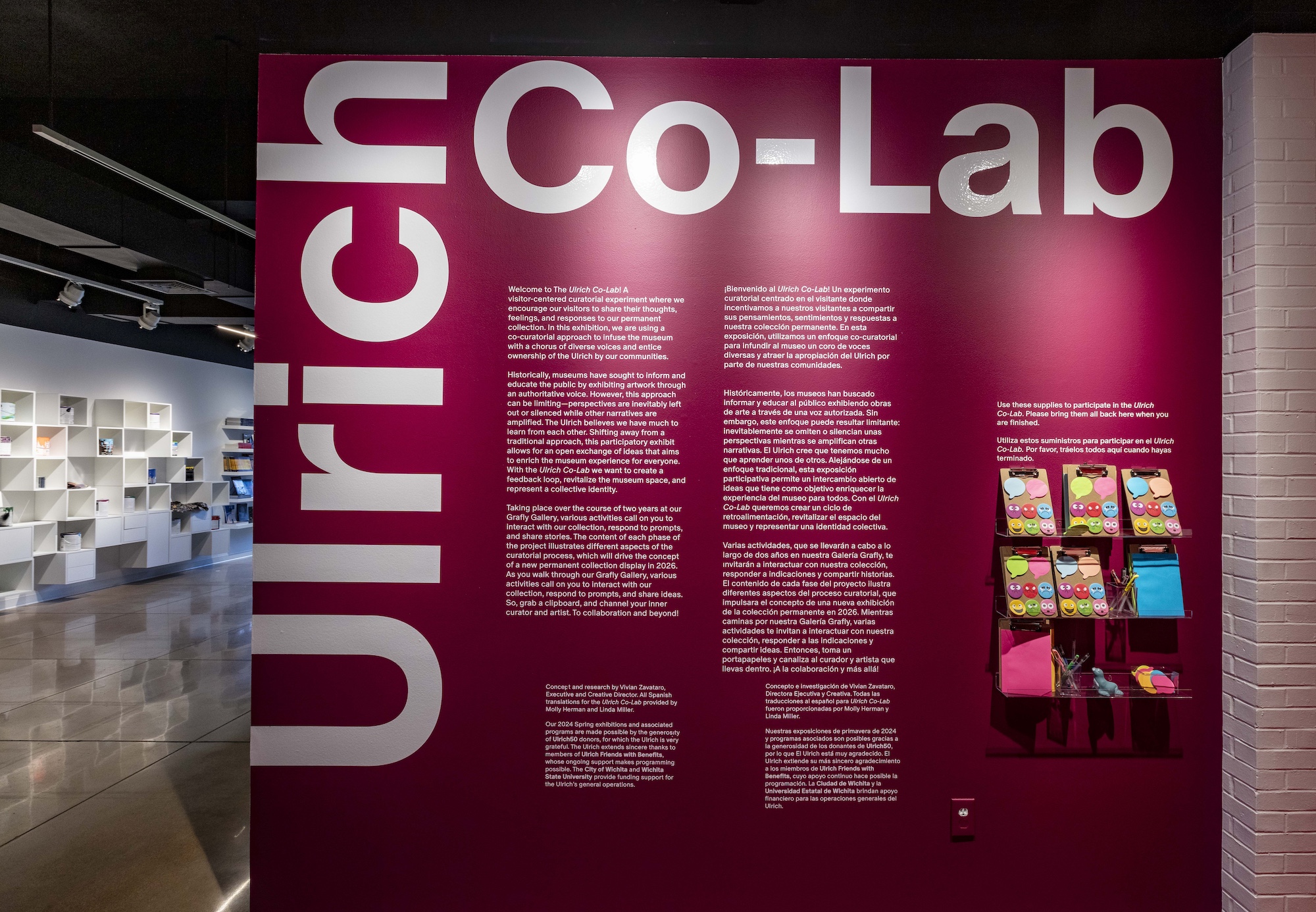
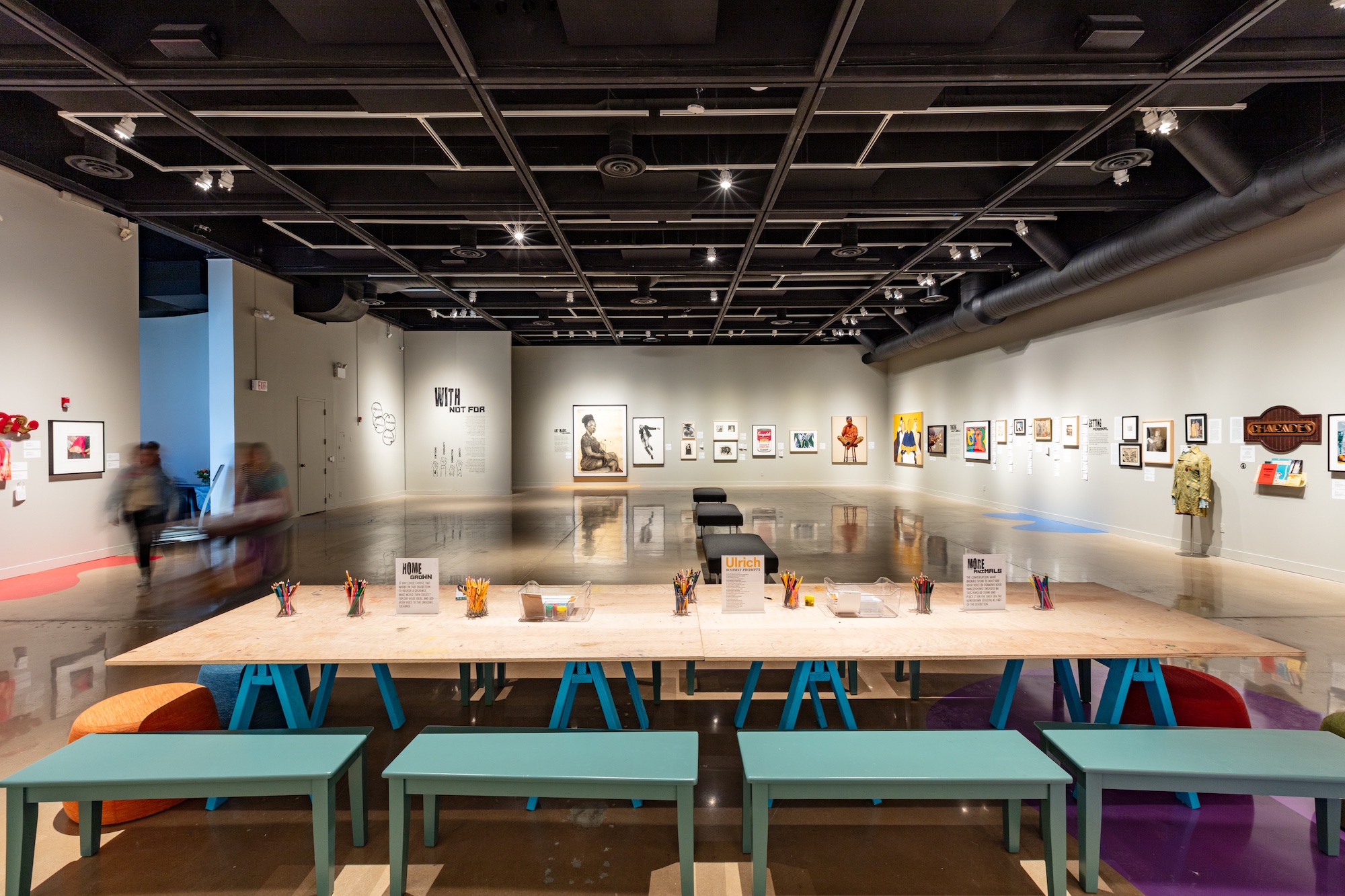
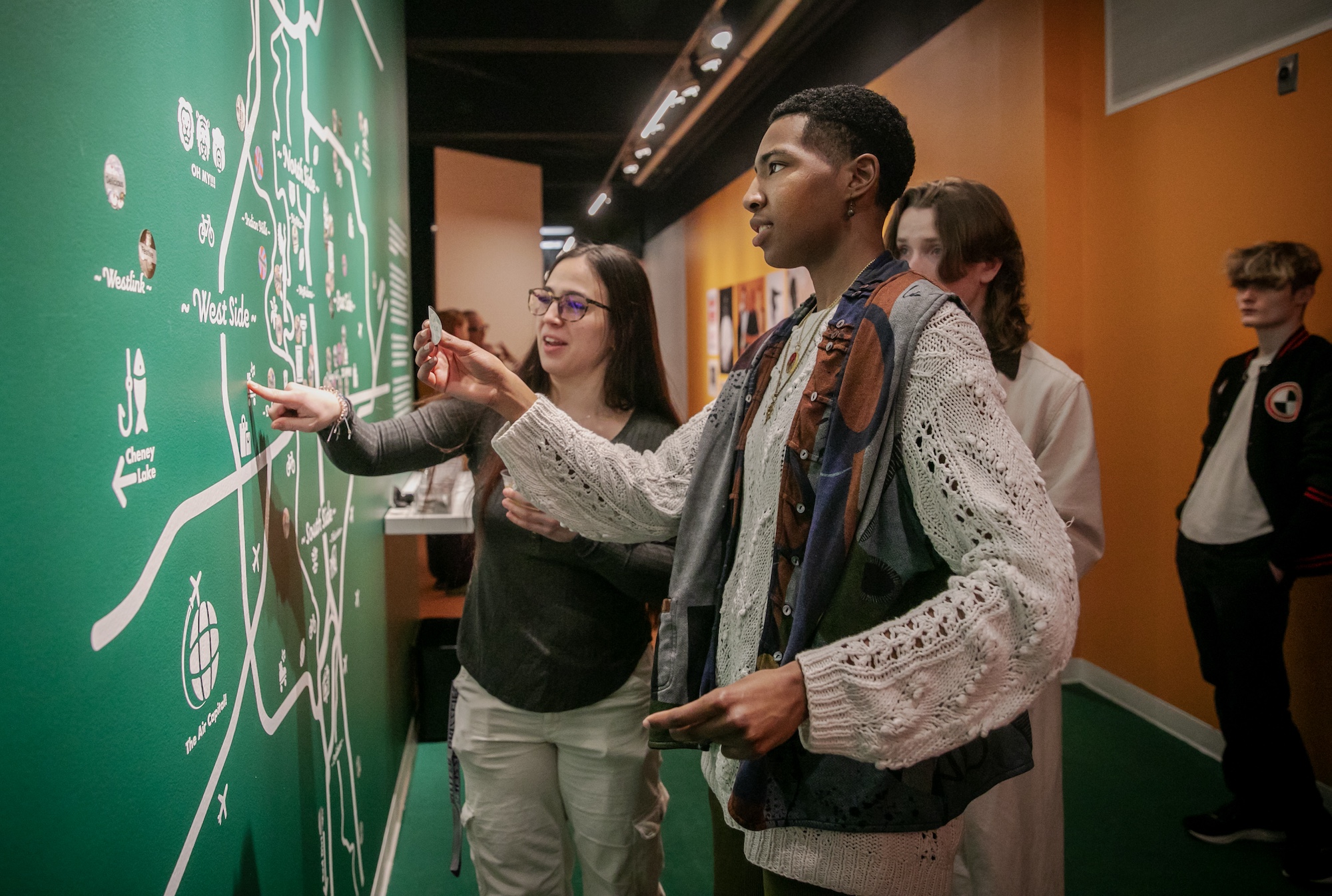
VZ: That’s a hard one! Every project holds a piece of my heart. But I’d choose the Ulrich Co-Lab. It was a two-and-a-half-year, four-phase experiment (Co-Lab I, Thinking About Exhibitions, Homegrown, and Getting Personal) built around one question: how does a museum meaningfully engage the communities it serves? It culminated in With, Not For, an exhibition built entirely on shared authority between the museum and the community, rather than the museum simply speaking on their behalf. What made it stand out wasn’t just the final show, it was the process. We weren’t chasing a single polished outcome; we were trying to build something replicable, a framework other institutions could actually use to become more of a commons than a container. It’s the project that most fully reflects how I think curatorial work should function.
CFC: What’s your favourite part about being a curator? And, if you don’t mind sharing, what’s the most challenging?
VZ: My favorite part is working with living artists and helping empower communities in real time. The most challenging part is working with administrators who aren’t curious, those who have no real interest in understanding what art can do.
CFC: Any hot takes on the current state of the curatorial field or the art world in general? What do we need more or less of?
VZ: The art world and the curatorial field are deeply political spaces, whether people admit it or not. As curators, we have to keep reflecting on the issues of the moment and use art to open new perspectives, to actually touch minds and hearts, not just decorate a wall label with fancy language that most cannot understand. We need more curators who care about the public and less about their egos. We need donors who care about education, philanthropy, and art — not tax breaks. And we need museum directors who care about their employees and visitors more than their paychecks.
CFC: What advice would you give to aspiring curators just starting their careers?
VZ: Read constantly! Old books, new books, foreign perspectives. Understand viewpoints you don’t agree with. Stay curious, and always ask yourself: who am I curating for?
CFC: What does ‘success’ look like to you in curatorial work, and has that definition changed over time?
VZ: Success means engagement. If visitors walk away awed, inspired, or changed, you’ve done your job. That definition has expanded for me over time. Early on, I thought about success at the scale of the building, bound by the museum’s own walls. Recently, it has changed. Rather than waiting for visitors to come to us, I think about how we build trust by meeting people where they already are. If I reach someone who never would have set foot in the museum, that’s success.
CFC: What’s something unexpected or surprising you’ve learned through your curatorial work? This could be about art, people, institutions—or even yourself.
VZ: That creativity is everything. Grad school teaches you that theory and conceptual rigor are what matter most in curating, but without creativity, theory goes nowhere. I’ve walked through plenty of exhibitions that are conceptually airtight and completely inaccessible, because visitors can’t find a way in. It surprised me to learn that creativity is the actual translator; it’s what turns a concept into something people can connect with and creates different points of entry for different audiences.
CFC: How do you maintain your curatorial integrity within institutional frameworks or funding pressures?
VZ: Integrity isn’t negotiable. No matter the pressure, you stay kind, stay thoughtful, and you never become a hypocrite.
CFC: What would your ideal curatorial workspace or support system look like?
VZ: Inspired by my friend Guillermo Gómez-Peña, I often think about the “museum of the future.” For me, that space is community-oriented and built on dialogue — food involved, creation spaces active, artists and community members constantly exchanging ideas. Curators and visitors would meet as equals, not equal in knowledge, but each holding a different kind of knowledge worth exchanging. A place where people can disagree and still learn from each other, where exhibitions aren’t just displays but a way of participating in and understanding this complicated world.
Explore more of Vivian Zavataro’s work on her website.
All photos courtesy of Vivian Zavataro, by Dimitris Skliris
Profile photo credit: Kacy Meinecke
Are you interested in learning more about our CFC membership? Dive into how to become a CFC member here.