







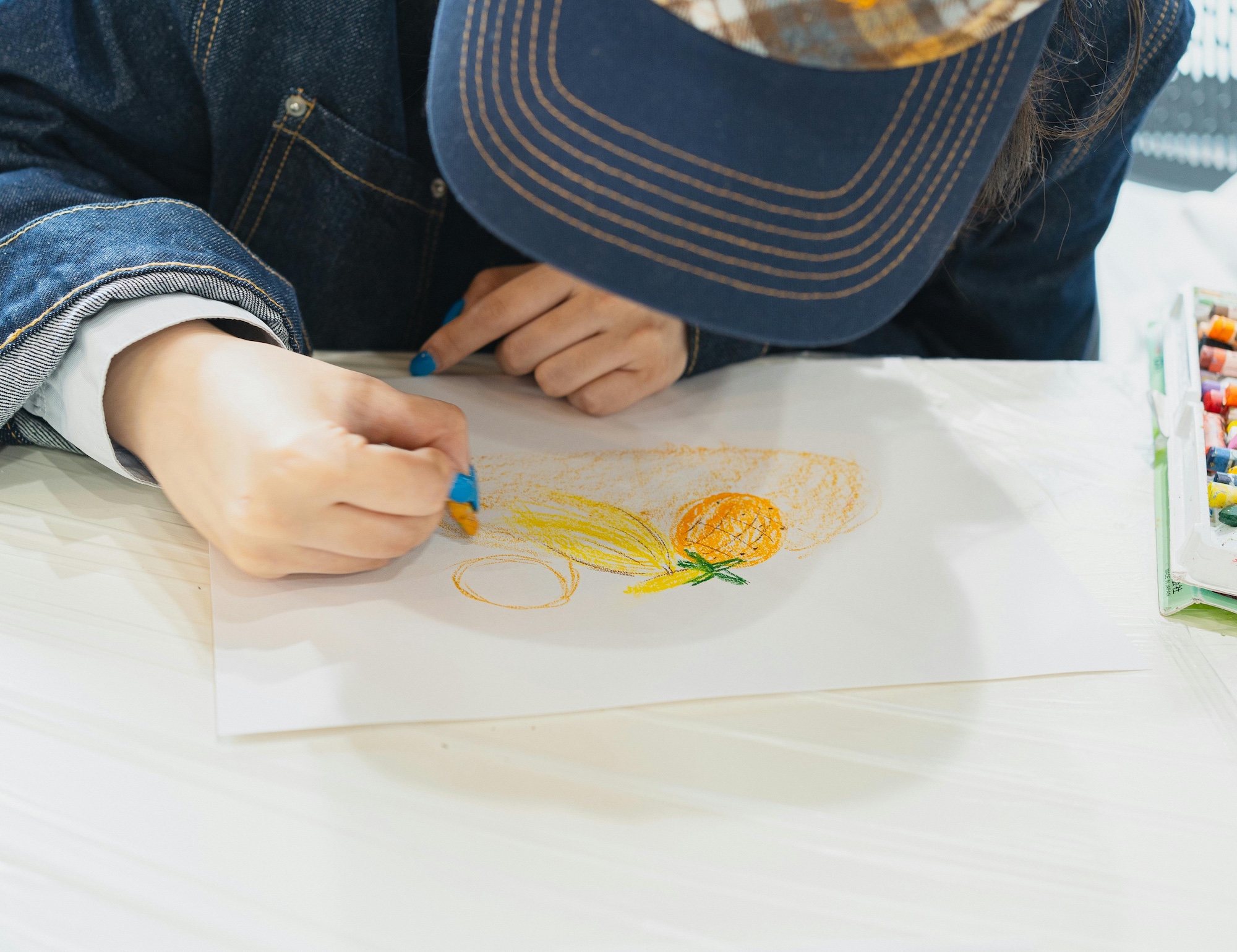
Rethinking Art Education: A Guide
#Art Organizations #Learning #Rethinking Art EducationArt organizations uniquely meld creativity and pedagogy, turning gallery walls into dynamic classrooms. In today’s climate, where experiential learning and community engagement are prized, educational programs within art institutions drive personal growth, social justice and cross-cultural dialogue. As the Paul Hamlyn Foundation notes in Advancing Social Justice through Arts Education, embedding learning in arts practice addresses inequities by centering learners’ lived experiences. By fostering creative thinking, critical reflection, and collaboration, these programs extend art beyond aesthetic appreciation, making impactful learning possible.
Understanding Community Needs Through Art
Any successful educational initiative begins with a nuanced understanding of its audience. As Museums and Schools: Enabling Quality Cultural Engagement from Arts Council England highlights, forging partnerships with local schools means more than scheduling visits—it requires dialogue about curriculum goals, resources, and community priorities. For instance, the NCACE’s case study on The Art of Engagement emphasizes how listening sessions with social-practice artists can illuminate community concerns you might not otherwise anticipate. Likewise, the National Art Education Association’s Museum Education framework underscores the importance of co-creating program goals with local educators and families, not simply offering a predetermined curriculum.
Key tip: Collaborate with community leaders or existing social-service providers to build trust and ensure programming genuinely reflects participants’ lived experiences.
Designing Inclusive and Engaging Curricula
Once needs are identified, translate insights into inclusive curricula that invite participation from diverse learners. The Tate’s research in Perceptions, Processes, and Practices Around Learning in an Art Gallery underlines the importance of balancing contextual knowledge with hands-on practice. Drawing on the Chartered College’s insight on Powerful Knowledge in Art and Design Education, integrate art history and social context to deepen critical inquiry. The Yale SOM’s Learning Through Experience podcast further illustrates how multimedia content—podcasts, virtual studio tours, or artist interviews—can enrich the learning environment. Encourage co-creation by inviting participants to propose themes or co-curate segments of the program, echoing the National Art Education Association’s encouragement for learner agency in Museum Education.
Key tip: Offer sliding-scale fees, provide materials, or establish transport subsidies so that economic barriers don’t hinder inclusion.
Leveraging Galleries as Educational Spaces
Galleries and museums can transcend passive viewing when reframed as active learning environments. As the National Gallery’s Take One Picture program demonstrates, selecting a single artwork and building cross-curricular lessons around it can engage students in unexpected ways. Use interactive stations—such as sketching corners beside key paintings or audio booths featuring artist interviews—to encourage multisensory engagement. The Guggenheim’s Learning Through Art resources stress that mentorship—pairing emerging educators with seasoned curators—enriches both sides of the equation. Meanwhile, the National Art Education Association’s Museum Education guidelines point to research showing that physical interaction with materials (sculpture handling, printmaking demos) deepens cognitive engagement and retention.
Key tip: Rotate thematic “learning zones” that highlight underrepresented voices, ensuring that programming remains dynamic and reflective of contemporary dialogues.
Measuring Impact and Sustaining Growth
To ensure longevity and continual improvement, art organizations must implement robust evaluation frameworks. The William Penn Foundation’s report on Empowering Children & Youth through Arts Education shows how combining qualitative tools (participant testimonials, focus groups) with quantitative metrics (attendance figures, repeat enrollment) can demonstrate both artistic and social outcomes. ArtQuest’s Gallery Education How-To Articles recommends developing pre- and post-program surveys that measure shifts in confidence and critical thinking, drawing on standardized rubrics aligned with learning objectives. Additionally, Museums Galleries Scotland’s case study on Creating New Ways to Develop Awareness of Museums suggests hosting alumni exhibitions and digital showcases to sustain engagement beyond the initial workshop.
Key tip: Cultivate peer-led workshops where past participants transition into facilitators, creating a self-sustaining cycle of leadership and mentorship.
Summary
Educational programs in art organizations can spark profound learning journeys by meeting communities where they are, crafting inclusive curricula, reframing gallery spaces as vibrant classrooms, and rigorously assessing impact. By drawing on diverse resources—ranging from the Paul Hamlyn Foundation’s social-justice frameworks to the National Art Education Association’s museum education guidelines—practitioners can create enduring, transformative experiences that resonate far beyond gallery walls.
Resources
-
Advancing Social Justice through Arts Education (Paul Hamlyn Foundation) – Explores how arts learning can address social inequality, offering UK-based case studies.
-
Museums and Schools: Enabling Quality Cultural Engagement (Arts Council England) – Best practices for forging partnerships between schools and museums to enrich children’s cultural experiences.
-
Learning Through Experience (Yale SOM Podcast) – U.S.-based discussion on leveraging art for experiential learning, featuring educators and museum directors.
-
Empowering Students through Art Education Beyond School (The Arts College West Sussex) – Highlights community-driven art workshops in West Sussex, UK, and their impact on student wellbeing.
-
Perceptions, Processes, and Practices Around Learning in an Art Gallery (Tate Papers) – Academic research examining gallery-based pedagogies and learner experiences.
-
Powerful Knowledge in Art and Design Education (Chartered College) – UK perspective on integrating art history and contextual studies to deepen studio practice.
-
The Art of Engagement: Creating Foundations for an International Learning Community in Social Practice (NCACE) – UK-based exploration of global community art initiatives and pedagogical exchanges.
-
Empowering Children & Youth through Arts Education (William Penn Foundation) – U.S. foundation case studies on arts-integrated curricula in under-resourced schools.
-
Take One Picture (National Gallery London) – A flagship UK program that uses a single artwork to create cross-curricular learning activities in classrooms.
-
Gallery Education How-To Articles (ArtQuest) – Practical UK-focused guides for setting up gallery-based workshops, from logistics to evaluation.
-
Creating New Ways to Develop Awareness of Museums (Museums Galleries Scotland) – Case study on Scottish initiatives that increase youth engagement through innovative museum programs.
-
Learning Through Art (Guggenheim) – Curriculum resources and professional development tools for U.S. educators integrating art into core subjects.
-
These Are the Best Museum Programs for Children (DesignDash) – Travel-oriented roundup showcasing standout children’s museum programs across several countries.
-
Museum Education (National Art Education Association) – Collection of NAEA guidelines, research, and toolkits for designing museum-based learning initiatives.
Download the Creative Engagement Workbook
Are you a CFC Member? Download the full Creative Engagement Workbook below.
Member Login Please sign in below if you are a returning Call for Curators member.
If you have not yet created your account, please register now and join free for a week. Cancel anytime.This content is restricted to members only.