







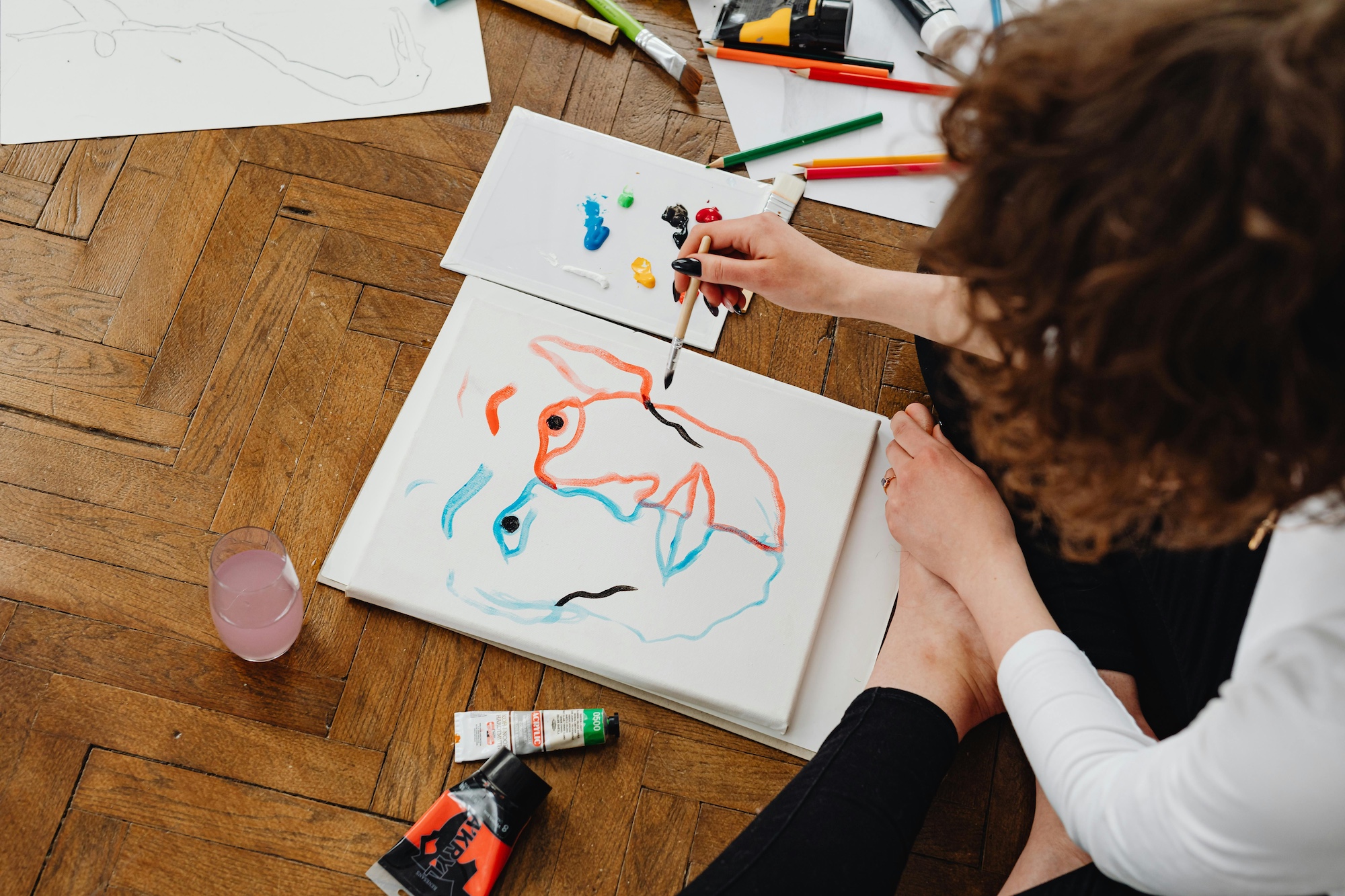
The Role of Art Organizations in Promoting Mental Health and Wellbeing
In a world increasingly shaped by anxiety, loneliness, and burnout, art organizations are stepping into an essential role: supporting mental health and well-being. This isn’t about surface-level mindfulness workshops tacked onto programming. A World Health Organization review of over 900 studies confirms that engagement with the arts, from museum visits to community workshops, can actively promote mental health and help manage conditions like depression and dementia. As cultural institutions rethink their social purpose, the question is no longer if art can support wellbeing, but how to do so with care, rigour, and imagination.
Art as Public Health: Why It Works
The evidence is global. As noted in a recent review published in BMC Medicine, arts engagement supports mental wellbeing across cultures, with studies from Europe, Asia, and North America all demonstrating benefits such as reduced stress and greater resilience. In Australia, for example, arts on prescription schemes integrate creative activity into community health, while large-scale surveys in countries like Sweden and Canada link cultural participation to lower rates of depression. The arts offer a unique fusion of sensory, emotional, and social engagement—proven to be effective in diverse contexts (WHO).
Key Tip: When planning programmes, draw on this body of evidence to make a strong case to funders and partners. The arts are not a “nice to have” – they are a valid part of the mental health toolkit.
Museums and Galleries as Spaces of Care
From the National Gallery of Ireland, where self-guided tours connect works of art to mental health themes, to Dax Centre at the University of Melbourne which runs ongoing programs using art to raise awareness and reduce stigma around mental illness through exhibitions, workshops, and community-led initiatives, institutions worldwide are reframing how they engage audiences. The Museum of the Mind and Dulwich Picture Gallery provide inspiring UK models, but they are part of a wider movement where museums in places like Finland, Brazil, and Japan increasingly integrate wellbeing into their missions.
Pro Tip: Build partnerships with mental health professionals and community groups from the outset. Co-design ensures programmes respond to genuine needs, rather than assumptions.
Artists Challenging Stigma and Opening Dialogue
Across the globe, artists are tackling mental health with honesty and complexity. In Japan, Yurie Nagashima’s photographs explore personal vulnerability and emotional struggle in intimate, domestic contexts. In the U.S., Derrick Adams addresses self-care and Black joy as radical acts within a mental health framework. Meanwhile, in Nigeria, Victor Ehikhamenor uses layered, symbolic works to reflect on cultural memory and collective trauma. Platforms like Contemporary Lynx and Enter Gallery showcase many such voices, while Hospital Rooms exemplifies how these artistic explorations can directly inform mental health environments.
Key Tip: When curating or commissioning work on mental health, prioritise authenticity and depth. Avoid sensationalism or aestheticising suffering – contextualise and support meaningful engagement.
From Grassroots to Policy: Embedding Mental Health into Cultural Work
Grassroots initiatives and policy shifts are recognising the power of the arts in mental health. Schemes like Live Well Kent show how local, creative programmes can strengthen community resilience. Reports like Creatively Minded at the Museum provide a wealth of case studies and frameworks for institutions keen to embed mental health into long-term strategy, not just short-term projects.
Pro Tip: Think beyond one-off events. Sustainable, long-term programming—anchored in local partnerships and evaluated for impact—leaves a deeper legacy.
Summary
The role of art organizations in supporting mental health isn’t peripheral; it’s central to their potential as public institutions. Whether through co-created community programmes, exhibitions that spark dialogue, or collaborations with healthcare providers, the arts can help shape societies that are more compassionate, inclusive, and resilient. The challenge is to move beyond good intentions towards thoughtful, sustained action—where mental wellbeing is woven into the very fabric of cultural work.
Photo By: Kaboompics.com.
Download the Checklist: Is Your Programme Mental Health-Inclusive?
Are you a CFC Member? Download the full Checklist: Is Your Programme Mental Health-Inclusive? below.
Member Login Please sign in below if you are a returning Call for Curators member.
If you have not yet created your account, please register now and join free for a week. Cancel anytime.This content is restricted to members only.