







Writing for Different Audiences: Adapting the Curatorial Voice
Curatorial writing is an act of translation between ideas and publics, theory and encounter. A text written for the wall, a catalogue, or a press release might differ in tone or scope, but all share the same challenge: how to communicate meaningfully across thresholds of knowledge, attention, and access. To write for different audiences is not to dilute complexity—it is to rethink clarity as a curatorial ethic.
Understanding Who You’re Writing For
The Victoria and Albert Museum’s Ten Point Guide to Writing Gallery Texts insists that good writing “invites, illuminates, and intrigues.” This simple triad underscores a larger point: understanding who you are writing for is the foundation of interpretive practice. Visitors read on their feet, often in motion. The text must meet them there—with rhythm, warmth, and focus.
The V&A’s advice to “write as you would speak” reminds us that tone is not a matter of simplification but of proximity. Language should bring the reader closer to the work, not hold them at a distance.
Writing as Interpretation
The Smithsonian Institution’s Guide to Interpretive Writing for Exhibitions extends this idea to an institutional scale. It frames interpretive writing as storytelling—a tool for connection as much as explanation. The guide encourages writers to imagine multiple readers: the ones who skim, the ones who linger, and the ones who dive deep.
Adjusting tone is therefore a question of generosity—of crafting layers of meaning that invite participation without assuming expertise. To write interpretively is to recognise that museums are not classrooms; visitors arrive with different backgrounds, curiosities, and levels of confidence.
Clarity as an Inclusive Practice
Across contexts, the most resonant writing shares a common thread: it respects the reader’s intelligence. As Danielle N. Carter argues in Plain Language in Museums, accessibility is not a synonym for “dumbing down.” Instead, it is a discipline of precision—a way of writing that clarifies rather than flattens, and opens rather than excludes.
Tone also signals institutional ethics. The Museum and Heritage Advisor notes that inclusive, conversational writing dismantles the “voice of authority” that once dominated museum interpretation. A text written with openness and humility invites trust; one written from a position of expertise alone can alienate.
As BmoreArt’s Artspeak and Audience: Art Writing as Bridge or Barrier points out, language can either build bridges or reinforce hierarchies. To adapt one’s voice is to choose the former.
Editing as a Curatorial Tool
Editing, too, becomes an ethical act. Judy Rand’s now-classic advice—“Think more. Write less. Edit.”—captures the craft of refining language until it meets the reader with clarity and care. The Smithsonian and V&A both emphasise this rhythm of revision: short, active sentences, one idea per paragraph, read aloud, tested with real audiences.
Writing is thinking, and rewriting is how that thought becomes accessible. Editing is not an afterthought but a curatorial process in itself—a means of aligning voice, content, and intention.
Writing as Relationship
In Art Writing and Language: When, Why and How We Use Different Approaches, artist and writer Mallory Shotwell reminds us that language in art is relational—it lives between the work and its publics. Adjusting one’s writing is therefore a form of curatorial listening: tuning your voice to the many frequencies of engagement that exhibitions invite.
To adapt the curatorial voice is to practice empathy through language. It is not about simplifying content, but about expanding understanding—meeting readers where they are, and inviting them to go further.
In Summary
Good curatorial writing meets readers where they are—and gives them a reason to stay. Whether read on a wall, in a catalogue, or on a screen, writing that adjusts to its audience demonstrates not compromise but intent.
To write well for different audiences is to understand context as content: tone, length, and rhythm become interpretive tools. Done with attention and empathy, this writing extends the exhibition itself—inviting reflection long after the visit ends.
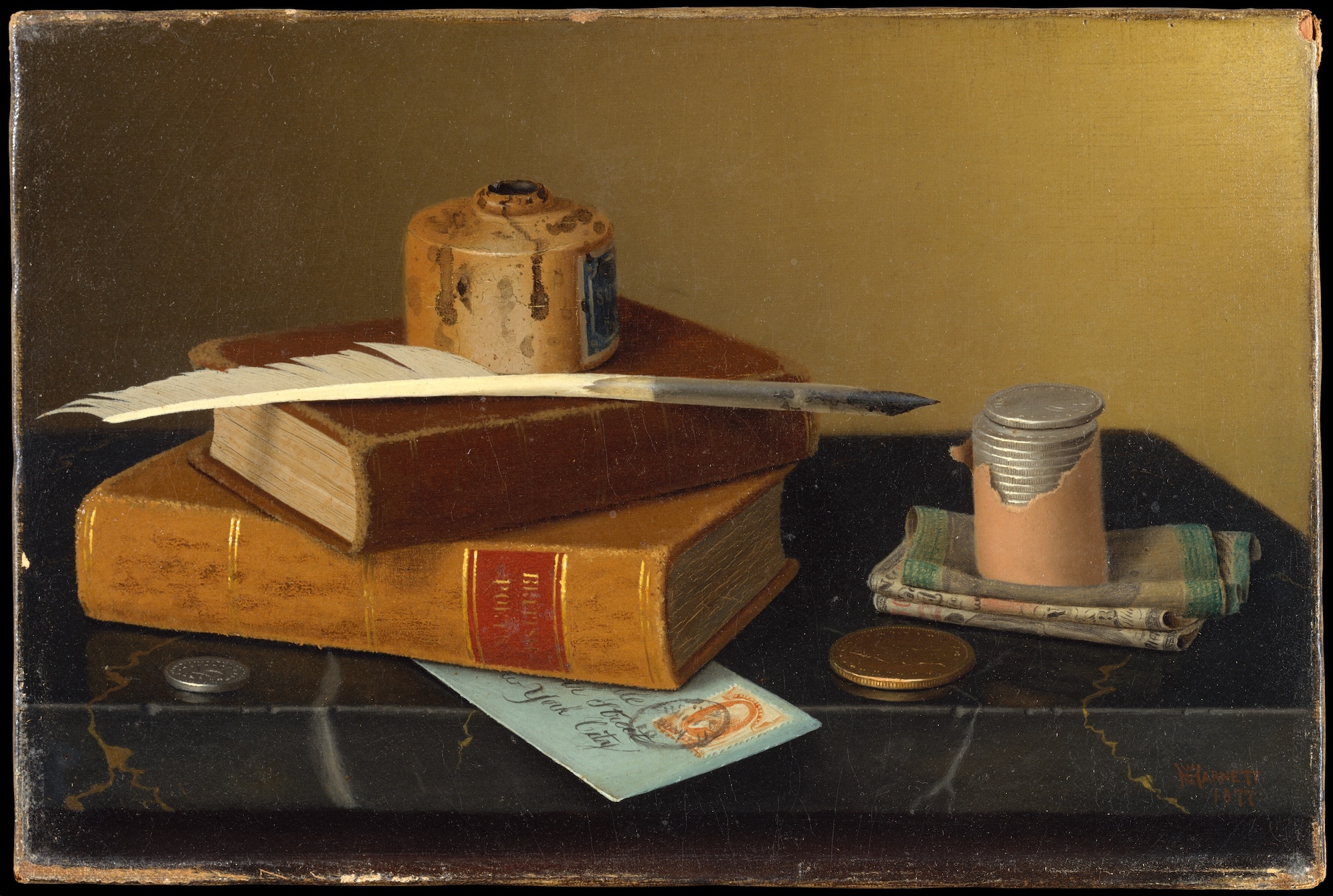
Artwork: https://www.metmuseum.org/art/collection/search/10994
Download the Resource: Curatorial Writing Voice Guide
Are you a CFC Member? Download the full Curatorial Writing Voice Guide below.
Member Login Please sign in below if you are a returning Call for Curators member.
If you have not yet created your account, please register now and join free for a week. Cancel anytime.This content is restricted to members only.